Creating a Healthier, More Efficient Workplace Through Better Water and Air Quality
Running a business involves hundreds of daily decisions, from managing employees and serving customers to keeping equipment running and controlling operating costs. Water and indoor air quality may not always be at the top of that list, but they can influence nearly every part of a commercial property. A restaurant depends on clean water for food preparation, an office needs a comfortable indoor environment, and a manufacturing facility may require carefully controlled water for its processes.
These needs aren’t identical, which is why a thoughtful approach to building maintenance matters. Rather than treating water and air as separate afterthoughts, businesses can benefit from understanding how their building systems work together and what they need to perform reliably.
Why Water Quality Matters in Commercial Spaces
Water is used for far more than drinking. Businesses rely on it for cleaning, cooking, sanitation, cooling, laundry, and specialized production tasks. When water quality becomes a problem, the effects can show up in unexpected places.
Hard water, for example, can leave mineral deposits on fixtures, reduce the efficiency of certain water-using appliances, and increase maintenance demands. Sediment may clog components, while chlorine taste or odor can affect the experience of customers and employees. In some industries, even relatively small differences in water chemistry can influence product consistency.
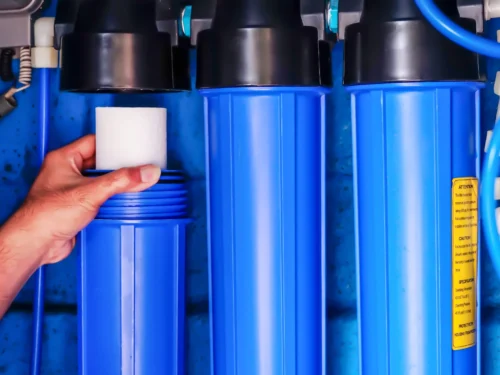
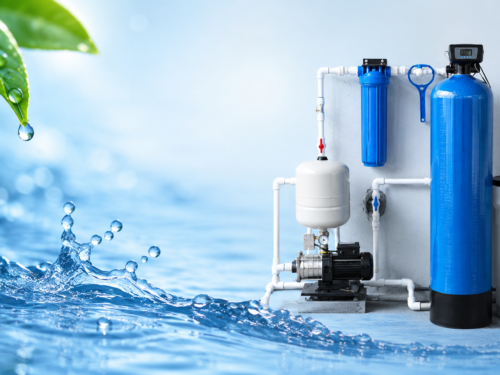
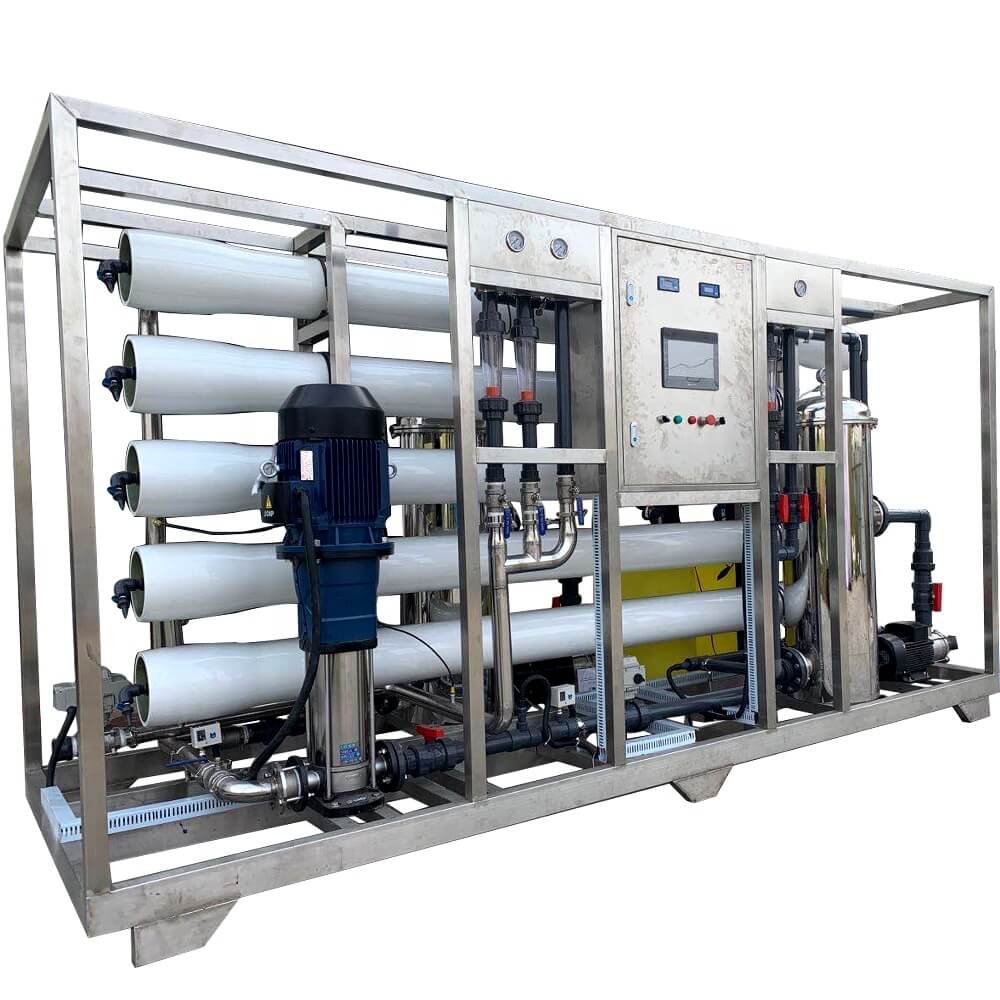
A suitable commercial water treatment system helps businesses address specific water quality concerns based on their usage, incoming supply, and operational requirements. Depending on the application, treatment may involve sediment filtration, activated carbon, water softening, reverse osmosis, or other specialized technologies.
The key is understanding the problem before choosing the equipment. A café that wants better-tasting water for coffee may have different needs from a hotel managing laundry facilities or a manufacturer using water in production. Testing and a professional assessment can help determine which treatment methods are appropriate.
It’s also worth considering how water consumption changes throughout the day. A restaurant serving breakfast, lunch, and dinner may experience substantial demand during peak hours. Treatment equipment needs to accommodate those patterns without creating unnecessary interruptions.
Protecting Equipment and Controlling Operating Costs
Commercial equipment represents a significant investment. Dishwashers, boilers, ice machines, cooling systems, and laundry equipment all need suitable operating conditions to deliver consistent performance.
When water contains high levels of hardness minerals, scale can gradually accumulate inside pipes and heating elements. This buildup may reduce heat transfer, restrict water flow, and increase cleaning or repair requirements. The actual impact depends on the equipment, water chemistry, and operating conditions, but persistent scale is rarely something a business should ignore.
Water softeners can help manage hardness by exchanging calcium and magnesium ions for other ions, typically sodium. For suitable applications, this can reduce scale formation and help protect water-using equipment. However, softening doesn’t remove every contaminant, and it may not be appropriate for every water supply or process.
Regular inspections are just as important as selecting the right system. Checking valves, monitoring pressure, replacing filters, and following manufacturer maintenance schedules can help identify small problems before they become expensive disruptions.
Businesses should also evaluate water use itself. Repairing leaks, installing efficient fixtures where appropriate, and monitoring consumption can reduce waste without compromising sanitation or operational needs. These changes may seem modest individually, but their combined effect can be meaningful over time.
Keeping Water Treatment Supplies Ready
Maintenance often becomes difficult when essential supplies run out at the wrong moment. For businesses using water softeners, salt can be an important part of keeping the system operating correctly.
Depending on the equipment, salt is used to regenerate the resin that removes hardness minerals from the water. Without adequate salt in a conventional salt-based softener, regeneration may not happen as intended, and water hardness can begin to return.
Arranging scheduled salt delivery can make this task easier for facilities with regular water treatment needs. Instead of relying on staff to notice an empty brine tank and arrange supplies at the last minute, businesses can establish a replenishment routine that fits their consumption.
The most useful schedule depends on the system’s size, water hardness, salt usage, and demand. A small office may need infrequent deliveries, while a hotel, laundry facility, or busy restaurant could require a more consistent supply.
Staff should still check salt levels and follow the manufacturer’s instructions. Delivery alone doesn’t replace inspections, and adding more salt than the equipment requires isn’t necessarily beneficial. A service provider can help establish a sensible routine and identify problems that might cause unusually high salt consumption.
Planning ahead also reduces the temptation to postpone maintenance during busy periods, when staff have plenty of other things to worry about.
Indoor Air Quality Deserves Equal Attention
Water isn’t the only building system that affects everyday comfort. Indoor air quality matters in offices, retail spaces, healthcare facilities, hospitality settings, and industrial workplaces.
Dust, pollen, cleaning product emissions, outdoor pollution, and other airborne particles can enter a building or accumulate indoors. Poor ventilation and inadequate filtration may allow these pollutants to linger, particularly in spaces with high occupancy or limited fresh-air circulation.
A well-designed air filtration system can help capture airborne particles and improve the performance of a building’s ventilation system. The appropriate filter depends on the HVAC equipment, airflow requirements, and the types of particles a business wants to reduce.
Higher-efficiency filters aren’t automatically the best choice for every system. If a filter creates excessive resistance to airflow, it can affect equipment performance. Businesses should follow HVAC manufacturer recommendations and consult a qualified professional before making significant changes.
Filtration is only one part of indoor air quality management. Adequate ventilation, effective humidity control, appropriate cleaning practices, and the removal of pollution sources also matter. For example, a restaurant may need effective kitchen exhaust, while an office might benefit from improved ventilation and regular HVAC maintenance.
Comfortable indoor conditions can make a workplace more pleasant for employees and visitors. They also help businesses maintain a professional environment where people can focus on their work rather than distractions such as lingering odors or excessive dust.
Building a Practical Maintenance Plan
The easiest way to manage water and air systems is to establish a clear maintenance plan rather than waiting for something to fail.
Start by listing the equipment installed in the building, its purpose, and the recommended service intervals. Include filter replacements, water quality checks, softener inspections, HVAC servicing, and any specialized testing required for your industry.
Assign responsibility for routine checks. Staff don’t need to become technical experts, but they should know how to recognize warning signs, such as an unusual odor, reduced water pressure, visible scale, unexpected equipment alarms, or a noticeable change in indoor comfort.
Keep records of service visits, supply deliveries, repairs, and water test results. These records help identify recurring problems and make budgeting more predictable. They can also be useful when reviewing service agreements or deciding whether older equipment should be repaired or replaced.
When choosing a service provider, ask about experience with your type of facility, maintenance options, equipment compatibility, and emergency support. Clear communication is particularly important for businesses that cannot afford extended downtime.
Choosing Solutions That Fit Your Business
There isn’t one universal system that works for every commercial property. The right approach depends on the building, its occupants, local water conditions, business activities, and available budget.
A small office may need straightforward drinking-water filtration and routine HVAC maintenance. A hotel could require softening, drinking-water treatment, and a dependable service schedule. A food production facility may need more specialized treatment and documented quality controls.
Start with the problems that matter most, then prioritize solutions that offer measurable benefits. Consider equipment performance, maintenance requirements, operating costs, and the expertise needed to keep everything working properly.
Ultimately, better water and air quality come from consistent attention rather than a single equipment purchase. With appropriate treatment, dependable supplies, and regular maintenance, businesses can protect valuable equipment, support a more comfortable environment, and reduce avoidable operational headaches. It’s a practical investment in the everyday details that help a business run well.