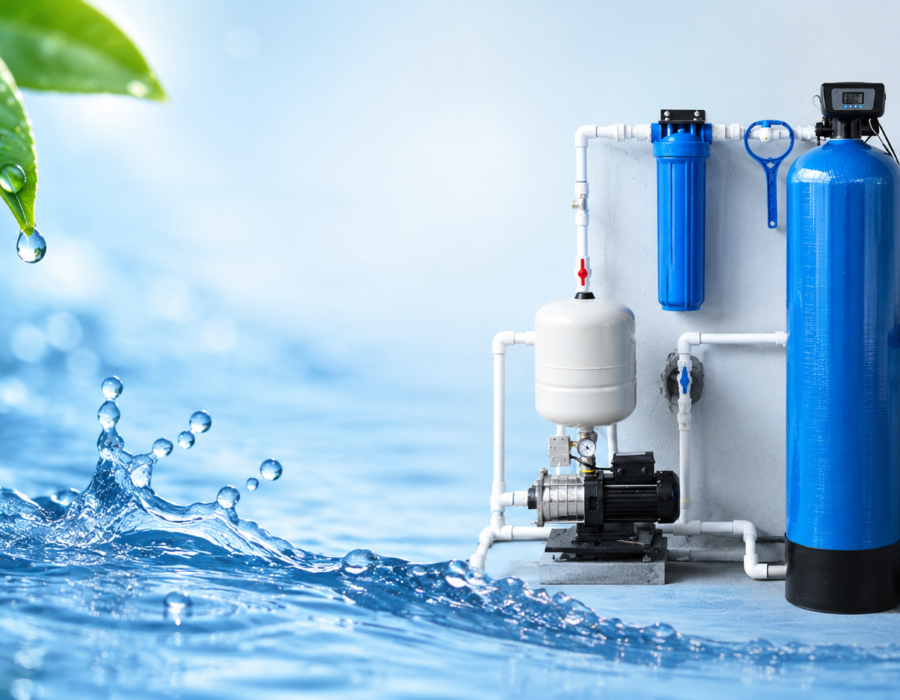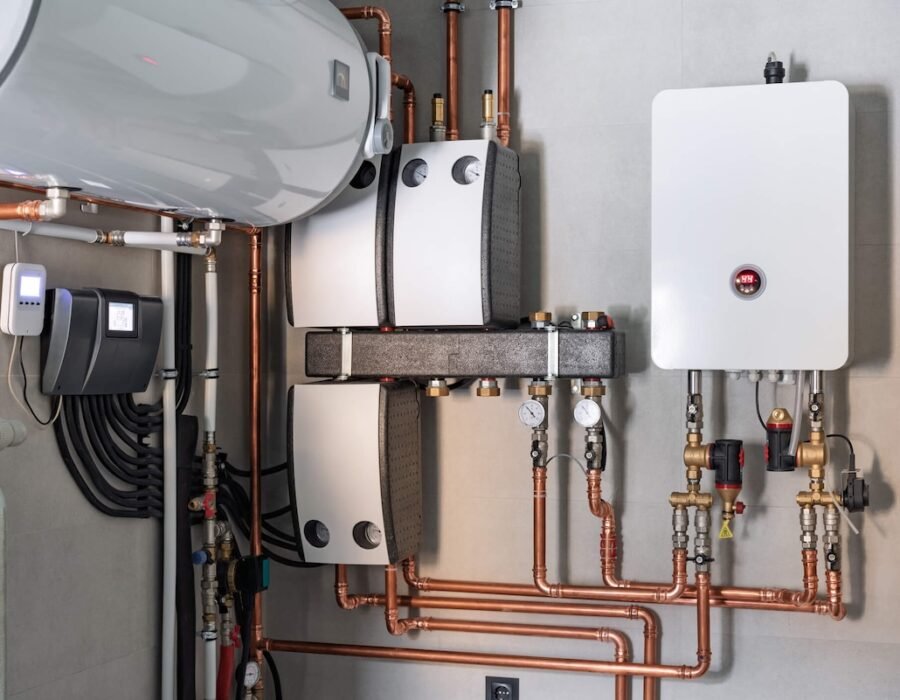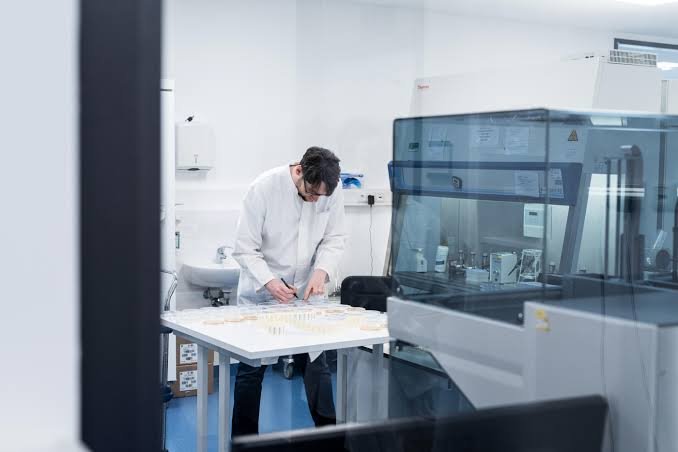
Category: Home Services

  • What Your Water Is Really Telling You: Why Testing Should Come Before Treatment

    What Your Water Is Really Telling You: Why Testing Should Come Before Treatment

    Most people don’t think much about their household water until something seems off. Maybe the tap suddenly has a strange taste. There’s a reddish mark around the sink. The shower leaves a stubborn white film on the glass. Or, perhaps, the water looks perfectly normal but you’ve started wondering whether “clear” really means clean.

    That’s where water testing becomes useful.

    Testing isn’t about creating unnecessary worry. It’s about replacing guesswork with information. Once you know what’s actually in your water, choosing a treatment method becomes a whole lot easier. You may discover that you need very little. Or you might find that a more targeted solution is worth the investment.

    Either way, it’s better to know.

    Why Household Water Can Change

    Water can pick up minerals and other substances as it moves through natural environments, treatment facilities, wells and plumbing. The source matters, but so does the journey from that source to your faucet.

    Municipal water is generally treated and monitored, yet the water entering a home can still be affected by household plumbing. Older pipes, corrosion, sediment or changes in the local supply may influence its taste or appearance.

    Private wells are a different story. Well owners are responsible for keeping a closer eye on their water because conditions underground can change over time. Heavy rainfall, nearby land use, damaged well components and other environmental factors may affect water quality.

    And then there are the everyday annoyances: hardness, chlorine taste, sulfur-like odors and mineral buildup. Not all of these indicate a serious health problem, but they can certainly make water less pleasant to live with.

    Testing Gives You a Starting Point

    It’s tempting to buy a filter based on a friend’s recommendation. “We installed this one and love it,” sounds convincing enough.

    But your water may not have the same characteristics.

    That’s why free water testing can be a useful first step when it’s genuinely offered by a reputable provider. Testing can help identify characteristics that aren’t obvious just by looking at a glass of water. Depending on the test, results may provide information about hardness, pH, iron, chlorine and other water-quality indicators.

    The important part is understanding what the test actually covers. “Free” doesn’t automatically mean comprehensive, and a basic screening shouldn’t be treated as a complete laboratory assessment.

    Ask what is being tested, how the sample is handled and whether additional testing is recommended if something unusual turns up.

    Don’t Judge Water Quality by Appearance Alone

    One of the biggest misconceptions about water is that you can tell whether it’s safe simply by looking at it.

    Unfortunately, many substances that matter aren’t visible. Water can look crystal clear and still contain dissolved minerals or other contaminants. On the flip side, cloudy or discolored water isn’t automatically dangerous; sometimes the appearance is caused by harmless particles or air.

    In other words, your eyes are useful, but they aren’t a laboratory.

    If you’ve noticed a change in taste, smell or appearance, that’s worth paying attention to. It doesn’t mean you should panic. It means there’s a reason to investigate.

    What Happens During a Water Analysis?

    A more detailed expert water analysis can provide a clearer picture when basic testing doesn’t answer all your questions.

    The process can vary depending on the provider and the type of water involved. A sample may be collected from a specific point in the home and evaluated for selected physical, chemical or microbiological characteristics. In some situations, a laboratory test may be appropriate, particularly when there are concerns about specific contaminants.

    Good analysis should ultimately answer a practical question: What does this water need?

    That distinction matters. Testing simply to produce a long list of numbers isn’t terribly helpful unless someone can explain what those numbers mean and what, if anything, should be done about them.

    Different Problems Need Different Solutions

    This is where many homeowners get tripped up.

    Water hardness, for example, is generally addressed with water-softening technology. Sediment may call for sediment filtration. Taste and odor problems can sometimes be improved with activated carbon. Other concerns may require more specialized treatment.

    There isn’t one magic piece of equipment that solves every water issue.

    A professional should be able to connect the test results to the recommended treatment. If someone immediately pushes a large system without first asking about your water source, household needs or actual concerns, it’s reasonable to slow down and ask questions.

    You’re buying a solution, not just a machine.

    Installation Matters More Than People Think

    Even a well-designed treatment system can underperform if it isn’t installed correctly.

    Plumbing configuration, water pressure, flow rate, drainage and available space can all influence how equipment should be fitted. A whole-home system, in particular, needs to be integrated into the home’s plumbing rather than simply placed wherever there happens to be room.

    That’s why professional installation can be a worthwhile part of the process. An experienced installer can make sure connections are secure, components are positioned correctly and the system is configured for the household’s water demands.

    There’s also something reassuring about knowing who to call if you discover a leak or the system isn’t behaving as expected.

    Maintenance Doesn’t End on Installation Day

    This part isn’t nearly as exciting, but it may be the most important.

    Filters have replacement schedules. Some systems require periodic cleaning or servicing. Certain components eventually wear out. If maintenance is ignored, performance can decline.

    Before choosing a system, find out what ongoing care looks like. Ask how often filters need replacement, whether parts are easy to obtain and what routine service costs.

    A good treatment system should fit your lifestyle. If maintaining it becomes a constant chore, chances are you won’t keep up with it.

    Choose Information Over Pressure

    Improving household water quality doesn’t have to be complicated. Start by figuring out what you’re dealing with. Test the water, understand the results and then look at treatment options that address the actual problem.

    Most importantly, don’t let dramatic sales language make the decision for you. A trustworthy water professional should explain findings clearly, acknowledge the limits of the equipment and give you room to think.

    Sometimes the answer is a simple filter. Sometimes it’s a softener, a more advanced treatment system or additional laboratory testing. And occasionally, the best answer is that you don’t need to install anything at all.

    That last possibility is worth remembering.

    Good water treatment begins with good information. Once you know what your water is saying, you can make a decision based on facts rather than fear—and that usually leads to a better result for both your home and your wallet.
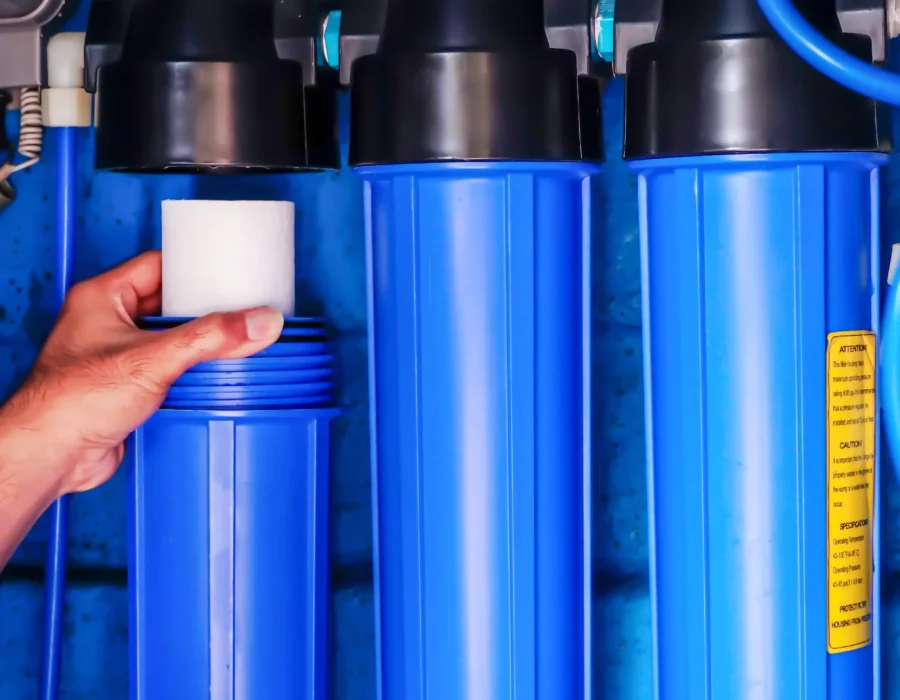
  • Why Professional Water Treatment Matters for Cleaner, Healthier Water

    Why Professional Water Treatment Matters for Cleaner, Healthier Water

    Water is something most people use without giving it much thought. We turn on the tap, fill a glass, wash vegetables, take a shower, and get on with the day. But when water starts leaving stains on fixtures, carrying an unusual smell, or tasting different, it becomes clear that not all water problems are easy to spot—or solve.

    Clean-looking water isn’t always free from unwanted minerals, contaminants, or other quality concerns. That’s why understanding your water supply and choosing the right treatment approach can make a meaningful difference at home or in a business. Professional guidance can help turn uncertainty into a practical plan for safer, more pleasant water use.

    Understanding What May Be in Your Water

    Water quality can vary considerably depending on where it comes from. Municipal water, private wells, and other local supplies may each have different characteristics. Even within the same area, water conditions can change because of seasonal factors, plumbing systems, groundwater movement, or changes in the supply network.

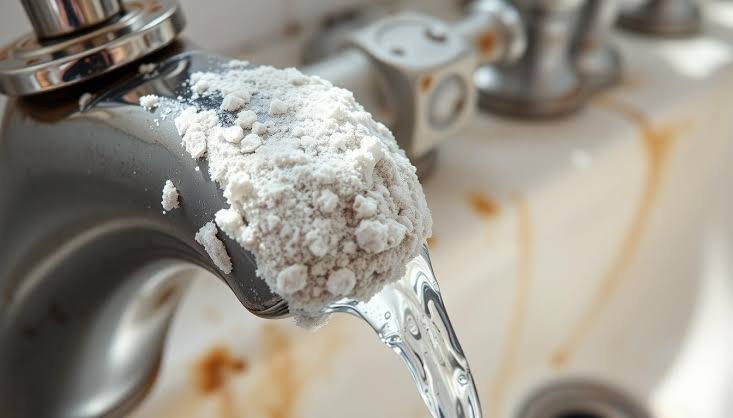
    Some common concerns include hardness caused by calcium and magnesium, unpleasant tastes and odors, sediment, iron staining, and certain chemical or microbial contaminants. Hard water, for example, may leave chalky deposits on taps and showerheads. It can also make soap less effective and cause scale to build up inside appliances.

    Other concerns may not be visible at all. A glass of water can look perfectly clear while still requiring testing to identify particular substances. This is one reason assumptions based only on appearance or taste can be misleading.

    Why Testing Should Come Before Treatment

    One of the most useful steps in improving water quality is arranging water testing & diagnosis before purchasing equipment. Testing provides information about what is actually present, rather than relying on guesswork or a one-size-fits-all solution.

    A proper assessment may examine factors such as pH, hardness, iron, manganese, chlorine, total dissolved solids, and other parameters relevant to the water source. Depending on the location and suspected concerns, additional testing may be appropriate.

    The results help determine whether a household needs a softener, sediment filter, activated carbon system, reverse osmosis unit, disinfection method, or a combination of technologies. Not every home needs every type of filter. Installing the wrong system can waste money, create unnecessary maintenance, and still leave the original issue unresolved.

    A professional assessment also considers how much water the property uses, where treatment is needed, and whether the system should serve the entire building or just one outlet.

    Choosing the Right Treatment for the Problem

    Water treatment isn’t a single product category. Different systems are designed for different purposes, and understanding those differences makes the buying decision much easier.

    Water softeners are commonly used to reduce hardness minerals that contribute to scale and soap-related problems. They can be particularly useful where hard water affects plumbing, water heaters, laundry, and bathing.

    Whole-home filtration systems may help reduce sediment, chlorine taste, odors, and certain other impurities, depending on the filter media and system design. Activated carbon is often used for improving taste and odor, although it is not a universal solution for every contaminant.

    Reverse osmosis systems are generally installed at selected drinking-water points and can reduce a range of dissolved substances. However, their performance depends on the membrane, pre-filtration, water pressure, and maintenance.

    Disinfection systems, including ultraviolet treatment, may be considered when microbial concerns are relevant. These systems must be selected and maintained appropriately, because treatment effectiveness depends on the specific water conditions.

    The important point is simple: the best solution is the one matched to the actual problem.

    How Professionals Make the Process Easier

    Researching water treatment online can quickly become confusing. One website recommends a softener, another promotes reverse osmosis, and a third suggests a whole-house filter. Without understanding the water itself, it is difficult to know which advice applies.

    Working with experienced water treatment experts can make the process more straightforward. Professionals can evaluate the source, discuss the symptoms you’re noticing, interpret test results, and explain which treatment options may be suitable.

    A good provider should be willing to explain what a system can and cannot do. They should also discuss installation requirements, filter replacement intervals, expected operating costs, and maintenance responsibilities. Clear answers matter more than impressive technical language.

    It’s also worth asking whether the company offers follow-up support. Water treatment is not always a one-time purchase. Filters need replacing, components require inspection, and water conditions may change over time.

    The Everyday Benefits of Better Water Quality

    When water treatment is properly matched to a property’s needs, the benefits can be felt in ordinary routines. Reduced scale may help protect plumbing fixtures and appliances. Better-tasting water can make drinking from the tap more appealing. Cleaner water may also improve the experience of cooking, making coffee, washing clothes, and bathing.

    For households dealing with hard water, the difference can be especially noticeable. Fewer mineral deposits may mean less scrubbing around sinks and shower doors. Laundry may feel different, and water heaters may operate with less scale buildup when the underlying hardness issue is addressed appropriately.

    Of course, treatment does not automatically make every water supply safe for every purpose. The system must be certified or validated for the contaminants it is intended to reduce, and it must be maintained according to the manufacturer’s instructions.

    Maintenance Is Part of the Solution

    Even a high-quality treatment system needs attention. Filters become less effective as they collect impurities, membranes require care, and softeners may need salt or other routine servicing. Ignoring maintenance can reduce performance and, in some cases, create new water-quality concerns.

    A practical maintenance plan should include checking filter replacement dates, inspecting connections, monitoring changes in water taste or odor, and arranging periodic testing when appropriate. Homeowners should keep product manuals and service records, especially if the system includes multiple treatment stages.

    If water quality suddenly changes after installation, don’t simply assume the equipment is working normally. Contact the installer or a qualified professional and investigate the cause.

    Making a Thoughtful Investment

    Water treatment equipment can be a valuable long-term investment, but price alone shouldn’t determine the decision. A low-cost system may not address the actual concern, while an unnecessarily complex setup can create expenses that offer little practical benefit.

    Before making a purchase, compare the treatment purpose, capacity, certifications, maintenance needs, warranty, and estimated running costs. Ask for a written explanation of what the system is designed to reduce. If a company promises to remove everything without providing meaningful details, it’s reasonable to ask more questions.

    The goal isn’t to buy the most equipment. It’s to choose a solution that supports reliable water quality and fits the property’s needs.

    A Better Approach to Everyday Water

    Water quality deserves more attention than it often receives. Some issues are obvious, such as staining or unpleasant odors, while others require proper testing to identify. Taking the time to understand the supply, investigate concerns, and select suitable treatment can prevent unnecessary spending and improve everyday comfort.

    Ultimately, cleaner, healthier water begins with informed decisions. A thoughtful assessment, the right technology, and consistent maintenance work together far more effectively than a rushed purchase based on assumptions. When water treatment is approached this way, it becomes less about chasing problems and more about creating a dependable part of daily life.

  • Understanding Common Water Problems and Choosing the Right Treatment for Your Home

    Understanding Common Water Problems and Choosing the Right Treatment for Your Home

    Water is something most people rarely think about until it starts causing trouble. A strange taste in your morning coffee, white marks around the faucet, or an unpleasant smell from the shower can turn an ordinary household routine into a frustrating experience. While water may look clean, it can still contain minerals, metals, and other substances that affect its quality.

    The good news is that many common water problems can be identified and managed with the right approach. Understanding what is happening inside your plumbing is the first step toward choosing a treatment solution that actually fits your home.

    Why Water Quality Problems Deserve Attention

    Water quality is not only about whether water looks clear in a glass. Some issues are easy to spot, while others remain unnoticed until they affect appliances, plumbing, or taste. The source of your water, whether it comes from a municipal supply or a private well, can influence the challenges you experience.

    Hardness, iron, sulfur compounds, sediment, and other naturally occurring substances may enter water through underground rock formations or aging infrastructure. These issues don’t always mean the water is unsafe, but they can affect how water feels, smells, and performs throughout the house.

    A professional water test can help identify the actual problem instead of relying on guesswork. After all, installing a treatment system without knowing what’s in the water is a bit like taking medicine without knowing what you’re treating.

    Hard Water and the Trouble It Creates

    One of the most common household water concerns is hard water & scale buildup. Hard water contains elevated levels of minerals, mainly calcium and magnesium. These minerals aren’t usually considered a health concern at typical household concentrations, but they can create plenty of practical headaches.

    When hard water is heated or evaporates, minerals can form a chalky residue called scale. You may notice it around showerheads, faucets, kettles, coffee makers, and water heaters. Over time, scale can reduce the efficiency of appliances and restrict water flow through certain plumbing components.

    Hard water can also make soap and shampoo harder to rinse away. Clothes may feel stiff after washing, and glassware can come out of the dishwasher with cloudy spots. A water softener is often used to reduce hardness by exchanging calcium and magnesium ions for sodium or potassium ions. However, the right system depends on the household’s water chemistry, water usage, and preferences.

    Iron, Rust, and Metallic-Tasting Water

    Iron is another frequent concern, particularly in homes that rely on well water. Even when iron levels are relatively low, they can create noticeable problems. Water may appear clear at first and then develop a yellow, orange, or reddish tint after sitting in a container.

    Homeowners sometimes describe iron, rust, & metallic tastes when discussing this issue. Iron can leave stains on sinks, toilets, laundry, and fixtures. It may also produce an unpleasant metallic flavor, making drinking water less appealing. In some cases, iron bacteria can contribute to slimy deposits or additional odor problems.

    The best treatment depends on the form and concentration of iron present. Dissolved ferrous iron may require a different filtration or oxidation method than visible ferric iron particles. Iron removal filters, oxidizing systems, and specialized treatment equipment can help, but testing is important before choosing one. A basic sediment filter alone may not solve a dissolved iron problem.

    What Causes Rotten Egg Smells?

    A rotten egg smell is often associated with hydrogen sulfide gas, which can occur naturally in groundwater. The odor may be especially noticeable when turning on a hot-water tap or taking a shower. In some situations, the smell comes from sulfur compounds in the water itself. In others, it may be related to reactions inside the water heater.

    If you’re dealing with rotten egg smells, don’t assume the cause is always the same. A water professional can help determine whether the issue is coming from the source water, plumbing, or water-heating equipment.

    Treatment options may include aeration, activated carbon, oxidation, or other specialized filtration methods. The appropriate choice depends on the concentration of hydrogen sulfide and whether other contaminants are present. If the odor is sudden, unusually strong, or accompanied by other changes in water quality, it’s worth investigating promptly rather than simply masking it with fragrance or cleaning products.

    Sediment and Cloudy Water

    Not every water problem involves dissolved minerals or gases. Sediment, such as sand, silt, and small particles, can enter water through wells, plumbing systems, or maintenance work on supply lines. It may cause cloudy water, gritty deposits, clogged faucet aerators, and premature wear on appliances.

    A sediment filter is often a useful first line of defense. These filters capture suspended particles before they travel farther into the home’s plumbing. However, filter selection matters. A cartridge designed for fine sediment may clog quickly if the water contains larger amounts of sand or debris.

    If sediment appears regularly, the underlying cause should be checked. In well-water systems, it may indicate changes in the well, pump, or pressure tank. Treating the symptom without examining the source can lead to repeated maintenance and unnecessary expense.

    Choosing a Water Treatment System

    The right water treatment system should be based on actual water conditions rather than a one-size-fits-all recommendation. Start with a laboratory or professional water test that checks for relevant concerns, such as hardness, iron, pH, sulfur compounds, and other contaminants based on your water source.

    Once the results are available, consider how the water is used. A whole-house filtration system may be appropriate when the goal is to improve water quality throughout the property. A reverse osmosis system, meanwhile, is often installed at a specific drinking-water tap to reduce certain dissolved contaminants and improve taste.

    Maintenance is another important consideration. Filters need replacement, softeners may require salt or potassium chloride, and treatment equipment should be inspected according to the manufacturer’s recommendations. A system that performs well but is difficult to maintain may become less effective over time.

    A Practical Step Toward Better Water

    Water problems can be annoying, but they don’t have to remain a permanent part of daily life. The key is to identify the cause, understand the treatment options, and choose equipment that matches the home’s needs.

    Whether you’re dealing with mineral deposits, metallic tastes, sulfur odors, or sediment, a thoughtful approach can protect plumbing, improve everyday comfort, and make water more pleasant to use. Rather than buying the first product that promises perfect water, start with reliable testing and professional guidance. A little information upfront can save a great deal of frustration later.

  • From Hard Water to Better-Tasting Taps: Choosing the Right Water System for Your Home

    From Hard Water to Better-Tasting Taps: Choosing the Right Water System for Your Home

    Water is something most of us use all day without thinking twice about it. It runs through the shower, fills the kettle, washes our vegetables, and ends up in the glass beside the bed. But when the water quality isn’t quite right, the signs can become difficult to ignore. White scale appears around faucets, glasses develop a cloudy film, laundry feels rough, or the water simply doesn’t taste as fresh as it should.

    These everyday frustrations often lead homeowners to explore water treatment systems. The challenge is knowing which solution actually fits the problem. A water softener, a whole-home filter, and a drinking water system can all improve the water experience, but they don’t necessarily do the same job. Choosing wisely starts with understanding what your water needs—and what each system is designed to provide.

    Understand What’s Actually in Your Water

    Before buying any equipment, take a closer look at your water source. Homes supplied by a municipal network may have different concerns from properties using private wells. Even within the same area, water quality can vary because of local infrastructure, plumbing, or changes in the supply.

    A water test is a useful starting point. Depending on the situation, it may identify hardness, chlorine, sediment, iron, pH levels, or other substances that could affect water quality. You don’t need to understand every technical term on a laboratory report, but knowing the main issue can prevent you from choosing a system based on guesswork.

    For instance, a chalky buildup on showerheads often points toward hard water. An unpleasant smell may suggest a need for filtration. These are different concerns, and treating them effectively requires different approaches.

    Water Softeners and Filters Have Different Roles

    One of the most common mistakes homeowners make is treating the words “softener” and “filter” as if they mean the same thing. They don’t.

    Water softeners are mainly designed to reduce hardness minerals, particularly calcium and magnesium. These minerals can create scale inside pipes and appliances, interfere with soap, and leave deposits on sinks and shower surfaces. Reducing hardness can make cleaning easier and help protect water-using appliances.

    Filtration systems, meanwhile, are designed to reduce particular substances from water. Depending on the technology, a filter may target sediment, chlorine, unpleasant odors, or certain contaminants. No single filter removes everything, which is why selecting the right type matters.

    A combined water softener/filtration setup may be useful for homes dealing with both hard water and specific water quality concerns. However, combining systems isn’t automatically necessary. The right arrangement should be based on test results, household priorities, and professional guidance.

    Think About Where You Need Treated Water

    Not every household needs the same level of treatment. Some people want better water throughout the property, while others mainly want cleaner-tasting water for drinking and cooking.

    Whole-home systems treat water as it enters the house, allowing multiple outlets to benefit from the treatment. This can be helpful when hard water affects showers, laundry, dishwashers, and plumbing fixtures. Point-of-use systems, such as under-sink filters, focus on one location and may be a practical choice for drinking water.

    Consider your daily habits. Do you frequently fill water bottles from the kitchen tap? Are mineral deposits damaging your bathroom fixtures? Does your coffee taste different depending on the water you use? These small observations can help clarify whether your needs are broad or limited to a particular area.

    Pay Close Attention to Drinking Water Quality

    Water that looks clear isn’t necessarily free from every contaminant, and water that tastes unusual isn’t automatically unsafe. Taste, appearance, and safety are related, but they are not the same thing.

    Different drinking water technologies address different concerns. Activated carbon filters are commonly used to improve taste and reduce chlorine. Reverse osmosis systems can reduce a wider range of dissolved substances when properly designed and maintained. Ultraviolet systems are used in certain applications to address microorganisms, particularly when the water source makes that concern relevant.

    When comparing drinking water systems, look carefully at the claims being made. Check which contaminants the system has been tested or certified to reduce, whether it suits your water source, and how often its filters or components need attention. A system should be selected for a clear purpose rather than based only on an impressive product description.

    Installation and Maintenance Matter More Than You Might Expect

    Even a high-quality water treatment system needs proper installation and regular care. A system that is incorrectly sized or poorly connected may not perform as expected. Some equipment also requires a drain, electrical connection, plumbing modifications, or enough room for maintenance access.

    Ask the installer to explain how the system will fit into your existing setup. It’s also worth discussing water pressure, flow rate, and the number of people using water in the home. These details can affect how well the equipment performs during busy periods, such as mornings when several taps or showers are running.

    Maintenance is another part of the long-term picture. Filters need replacement, softeners may require salt or cleaning, and certain components need periodic inspection. Ignoring these tasks can reduce performance and may allow problems to go unnoticed.

    Don’t Replace an Existing System Too Quickly

    If your home already has a water treatment system, a sudden change in performance doesn’t always mean it needs to be replaced. Sometimes the issue is something relatively simple, such as an exhausted filter, incorrect settings, a blocked component, or a maintenance problem.

    Warning signs can include reduced water flow, unusual sounds, changes in taste, leaks, recurring scale, or water that no longer seems to be treated effectively. These symptoms can have several causes, so an inspection is often more useful than immediately purchasing new equipment.

    Before making a major investment, ask whether the provider offers service for your current system. A qualified technician may be able to identify the problem, recommend a repair, or explain whether an upgrade is genuinely worthwhile. This approach can save money and extend the useful life of equipment that still has plenty to offer.

    Compare Long-Term Costs, Not Just the Initial Price

    The purchase price is only one part of owning a water treatment system. Installation, replacement filters, salt, electricity, repairs, and general maintenance can all contribute to the total cost over time.

    A lower-priced system may not be the most economical option if its replacement parts are expensive or difficult to find. Similarly, a system that is too small may struggle with household demand, while one that is unnecessarily large may waste resources.

    Ask for a clear estimate that explains what is included. Find out how often consumables need replacing and whether maintenance is available locally. A reliable provider should be willing to explain these details without making unrealistic promises.

    Choose a Solution That Fits Your Home

    The best water treatment decision is rarely about buying the most advanced or expensive system available. It’s about identifying the actual water problem and choosing equipment that addresses it effectively.

    Start with testing, understand the difference between softening and filtration, consider where treated water is needed, and think about maintenance before making a purchase. If you already own a system, explore repair and servicing options before assuming replacement is the only answer.

    The right setup should make everyday life a little easier—from cleaner fixtures and better-performing appliances to water that tastes more pleasant at the kitchen tap. With informed choices and consistent care, a good water treatment system can quietly become one of the most useful improvements in your home.

  • What to Know Before Choosing a Whole-Home Water Treatment System

    What to Know Before Choosing a Whole-Home Water Treatment System

    Most people don’t think much about their home’s water until it starts causing little problems. A glass of water tastes different. The showerhead gets covered in white scale. The dishwasher leaves spots on otherwise clean glasses. Maybe the laundry doesn’t feel quite as soft as it used to.

    None of these things necessarily mean your water is unsafe, but they can be signs that the water coming into your house could use some attention.

    That’s where whole-home water treatment comes in. Instead of treating water only at one faucet, these systems are designed to address water quality throughout the property. And for many homeowners, that makes life noticeably easier. Cleaner-feeling showers, better-tasting drinking water and less mineral buildup can add up to a pretty meaningful improvement.

    The trick, though, is choosing the right system. There isn’t one magic solution for every home.

    Start by Understanding Your Water

    Before shopping for equipment, figure out what you’re actually dealing with. It sounds simple, but it’s probably the most overlooked step.

    Water can contain minerals, sediment, chlorine, odors and other substances depending on its source and local conditions. Hard water, for example, contains elevated levels of calcium and magnesium. Those minerals aren’t generally considered a health concern at typical levels, but they can leave scale behind and make cleaning more difficult.

    A basic water test can give you a much clearer picture. Once you know the water’s characteristics, you can focus on treatment that addresses an actual problem rather than buying equipment based on a sales pitch or a neighbor’s recommendation.

    What Does a Whole-Home Conditioner Actually Do?

    A whole-home water conditioner can be useful when your main concern is the way water behaves throughout the house. Depending on the technology, a conditioner may be designed to reduce the effects of hard-water minerals, improve water characteristics or address specific treatment needs.

    The word “conditioner” is sometimes used pretty loosely, though, so don’t assume every conditioner works the same way. Some systems alter how minerals behave without actually removing them. Others use different treatment methods altogether.

    That’s why asking what the equipment actually does is important. A reputable water professional should be able to explain the process in plain English, without making it sound like you’re sitting through a chemistry lecture.

    Hard Water Can Wear on Everyday Life

    You notice hard water gradually. First it’s the spots on the shower door. Then it’s the crusty buildup around the faucet. Eventually, you may find yourself scrubbing things that never seemed to need so much attention before.

    Traditional water softeners are designed to reduce hardness by removing calcium and magnesium ions from the water through an ion-exchange process. For homes with genuinely hard water, this can make a difference in everything from bathing to washing dishes.

    Softened water can also help reduce scale formation inside certain water-using appliances and plumbing components. That doesn’t mean it eliminates every maintenance problem, but it can make mineral buildup less of a constant battle.

    Of course, softeners aren’t automatically the right answer. They require salt or another regeneration approach depending on the system, and their capacity needs to match household water usage. A small system working overtime for a large family isn’t exactly a recipe for convenience.

    Filtration Is a Different Piece of the Puzzle

    Water softening and water filtration are often mentioned together, but they’re not the same thing.

    A filtration system is generally designed to reduce particular contaminants or unwanted substances as water passes through a filter. The type of filter matters enormously. Activated carbon, sediment filters and other technologies each have different purposes and limitations.

    If you’re concerned about taste or chlorine, for example, carbon filtration may be worth considering. If sediment is the problem, a sediment filter may make more sense.

    For broader treatment throughout the property, a whole house water filtration system can provide filtered water at multiple fixtures rather than limiting treatment to a single drinking-water tap.

    Again, testing and product specifications matter. Don’t choose a filter simply because the box says “advanced” or “premium.” Look at what the system is certified or designed to reduce, how much water it can handle and when the filter needs to be replaced.

    Think About Your Daily Routine

    The best water treatment system is one that fits naturally into your life.

    How many people live in the house? Do you have guests regularly? Are there multiple bathrooms? Do you use a lot of water for laundry or gardening? Are there older appliances that you’d like to protect?

    These details affect sizing and system performance.

    A couple living in a small home may have completely different needs from a family of six. A system that works beautifully for one household could be undersized for another.

    Installation space matters, too. Treatment equipment needs room for maintenance, replacement parts and, in some cases, drainage or electrical connections. It’s easy to forget these practical details when you’re focused on the promise of better water.

    Don’t Ignore Maintenance

    Even a well-designed system needs attention from time to time.

    Filters have to be changed. Softener systems may need salt or other consumables. Components can wear out. And like any mechanical or plumbing equipment, treatment systems perform better when they’re properly maintained.

    Before purchasing, ask what routine maintenance looks like. How often are filters replaced? Does the company offer service? Are replacement parts readily available?

    These aren’t exciting questions, admittedly. But they’re the sort of questions that become very important six months after installation.

    Better Water Shouldn’t Feel Complicated

    There is a tendency to make water treatment sound more complicated than it really needs to be. Homeowners are often presented with a wall of technical terms, charts and promises, when what they really want to know is pretty straightforward: What’s wrong with my water, what can be done about it, and what will it cost?

    That’s a reasonable expectation.

    Start with testing. Identify your priorities. Then compare treatment options based on performance, maintenance, installation requirements and long-term value — not just the sticker price.

    For some homes, filtration will be the priority. For others, reducing hardness will make the biggest difference. And sometimes, a combination of technologies is the sensible route.

    Good water treatment isn’t about buying the biggest system or the most expensive equipment. It’s about matching the solution to the water and the people using it.

    Once you’ve got that right, the benefits can be pleasantly ordinary. The shower feels better. The dishes come out cleaner. You spend less time fighting mineral deposits. And when you fill a glass from the tap, you don’t stop to wonder what’s going on with the water.

    Sometimes the best home improvements are the ones you barely notice — because they simply make everyday life work a little better.

  • Rethinking Workplace Water: Practical Solutions for a Healthier, More Convenient Office

    Rethinking Workplace Water: Practical Solutions for a Healthier, More Convenient Office

    In a busy workplace, water is one of those things people only notice when it isn’t readily available. An empty dispenser, a stack of plastic bottles, or water that doesn’t taste quite right can turn a simple break into an inconvenience. For offices, schools, healthcare facilities, and commercial spaces, providing dependable drinking water is more than a small courtesy. It plays a role in employee comfort, daily routines, and the overall impression a workplace creates.

    As businesses become more conscious of waste, operating costs, and convenience, many are reconsidering how they provide water. The right solution depends on the building, the number of people using it, and the quality of the incoming supply. Fortunately, there are several practical options worth exploring.

    Why Workplace Water Provision Deserves More Attention

    A reliable water station supports more than hydration. Employees are more likely to refill a glass or bottle when clean drinking water is easy to access. In shared environments, that simple convenience can encourage better habits without requiring much effort.

    There are operational benefits, too. Traditional bottled-water delivery may involve storage, frequent ordering, heavy lifting, and a steady stream of empty containers. For larger organizations, these details add up. Water provision also becomes part of a company’s sustainability conversation, particularly when reducing single-use plastic is an important goal.

    Of course, convenience shouldn’t come at the expense of water quality. A workplace needs a system that is appropriate for its supply, usage demands, and maintenance capabilities.

    The Appeal of Bottleless Water Coolers

    For many offices, bottleless water coolers offer an alternative to traditional bottled dispensers. Rather than relying on large water bottles that need to be delivered and replaced, these units connect directly to a building’s water supply and use filtration or other treatment technologies to improve the water before dispensing.

    The biggest advantage is convenience. There’s no need to schedule regular bottle deliveries or find storage space for heavy containers. Staff members can refill reusable bottles throughout the day, and the water station remains connected to the existing plumbing.

    Bottleless coolers can also help reduce plastic waste associated with disposable and delivery bottles. That doesn’t mean they are automatically the right choice for every workplace, though. Installation requirements, filter replacement, water pressure, and available space all need to be considered.

    Some models offer chilled, ambient, or sparkling water, while others include hot-water functions for tea and instant beverages. The best configuration depends on how the space is used rather than how many features appear on the brochure.

    Understanding Ultraviolet Water Treatment

    Filtration and disinfection are not exactly the same thing. Filters may reduce sediment, odors, or particular contaminants, while disinfection methods are designed to address microorganisms. UV water purification uses ultraviolet light to inactivate certain bacteria, viruses, and other microorganisms as water passes through a treatment chamber.

    UV treatment is often valued because it doesn’t require adding chemical disinfectants to the water. It can be incorporated into drinking-water equipment and larger treatment setups, depending on the application.

    Still, UV systems work best when the water entering the unit is suitable for the technology. Turbidity, suspended particles, and water chemistry can affect performance. UV lamps and related components also require maintenance, and the system must be correctly sized for the flow rate.

    For businesses considering UV treatment, it’s important to ask what organisms the system is tested to address, whether pre-filtration is required, and how performance is monitored. A reputable supplier should be able to explain these details in plain language.

    Commercial Water Systems Need to Match Real Demand

    A small office with ten employees has very different needs from a hotel, factory, restaurant, or school serving hundreds of people. Commercial water systems are designed for a wide range of applications, from point-of-use drinking stations to larger treatment arrangements serving multiple areas of a facility.

    Choosing the right system begins with understanding demand. How many people will use the water each day? Are peak periods concentrated around lunch breaks or shift changes? Is the system intended only for drinking water, or will it support food preparation, equipment, or other processes?

    Flow rate and capacity matter just as much as filtration technology. A system that works well in a small office may struggle in a high-traffic environment if it cannot keep up with demand. Businesses should also consider the quality of the incoming water and whether local regulations or industry-specific requirements apply.

    In some facilities, a combination of technologies may be appropriate. For example, sediment filtration, carbon treatment, softening, or UV disinfection may each serve a different purpose. The goal is not to add every available treatment stage, but to build a setup that addresses identified water-quality concerns.

    Water Quality Testing Should Come First

    Before investing in commercial water equipment, testing the incoming water is a sensible starting point. Municipal water supplies are generally treated, but quality can still vary due to local conditions, building plumbing, storage tanks, or the age of internal infrastructure.

    Testing may examine hardness, pH, chlorine, sediment, and other characteristics relevant to the intended use. If there are specific concerns about contaminants, those should be tested separately using appropriate methods.

    The results help determine which technologies are necessary. A business dealing mainly with unpleasant taste may need a different solution from one concerned about microbial control or mineral buildup. Without testing, it’s easy to pay for features that don’t solve the actual problem.

    Maintenance Is Where Reliability Comes From

    A water system doesn’t become dependable simply because it was installed correctly. Filters need replacement, UV lamps may require scheduled servicing, and dispensing equipment should be cleaned according to the manufacturer’s recommendations.

    In a busy commercial setting, maintenance should be planned rather than treated as an afterthought. A missed filter change can affect taste and performance, while poor cleaning practices may create hygiene concerns around frequently touched dispensing areas.

    Businesses should ask about service intervals, replacement-part availability, warranty terms, and response times before signing an installation agreement. A slightly more expensive system may prove easier to manage if the supplier provides clear support and dependable servicing.

    It also helps to assign responsibility internally. Someone should know when maintenance is due, who to contact, and what signs might indicate a problem.

    Balancing Cost, Convenience, and Sustainability

    The initial purchase price is only one part of the financial picture. Businesses should consider installation, electricity, filter replacements, servicing, and the expected lifespan of the equipment. Comparing these costs with bottled-water delivery can provide a more realistic view of long-term value.

    Sustainability is another factor, but it should be approached practically. Reducing bottle deliveries may lower packaging waste and transportation demands, while encouraging reusable bottles can support broader workplace environmental goals. However, equipment still has an environmental footprint, so efficiency and maintenance matter.

    The strongest decision is usually the one that balances water quality, user convenience, operational demands, and ongoing costs—not simply the one with the most impressive feature list.

    A Smarter Way to Provide Water at Work

    Workplace water provision may seem like a minor operational detail, but it affects people every day. A well-chosen system can make drinking water easier to access, reduce unnecessary logistical work, and support a cleaner, more organized environment.

    Whether a business is exploring a bottleless cooler, UV treatment, or a larger commercial setup, the process should begin with water testing and a clear understanding of demand. From there, the right equipment, maintenance plan, and supplier support can make all the difference.

    Good water infrastructure rarely calls attention to itself. It simply works when people need it—and that’s exactly what a workplace should expect.

  • Smart Plumbing Choices That Keep Your Home Comfortable and Trouble-Free

    Smart Plumbing Choices That Keep Your Home Comfortable and Trouble-Free

    Plumbing is one of those home essentials you rarely notice when everything is working well. The shower runs, the kitchen sink drains, and hot water is always ready when you need it. But the moment a pipe starts leaking or the water heater stops working, plumbing suddenly becomes the most important thing in the house. That’s why understanding your plumbing system and choosing the right services can make a real difference.

    Whether you’re maintaining an older property, upgrading a bathroom, or dealing with an unexpected leak, professional plumbing support can help you avoid unnecessary stress. The goal isn’t just to fix what’s broken. It’s to keep your home efficient, comfortable, and protected for the long run.

    Why Reliable Plumbing Matters More Than You Think

    A plumbing problem rarely stays limited to one small area. A leaking pipe behind a wall can damage drywall, flooring, furniture, and even the home’s structural materials. Similarly, a blocked drain that keeps returning may point to a deeper issue rather than a simple buildup of hair or grease.

    Professional plumbers bring the tools and experience needed to investigate these problems properly. They can identify the source of a leak, inspect pipe conditions, test water pressure, and recommend repairs based on the actual issue. This is especially important when a problem is hidden from view.

    Trying to save money with a quick temporary fix can sometimes lead to higher costs later. A small repair handled correctly today may prevent a much larger emergency tomorrow.

    What Comprehensive Plumbing Services Can Cover

    When people think of plumbing, they often picture a leaking faucet or a clogged toilet. In reality, a professional plumbing company may handle a much broader range of residential and commercial needs. comprehensive plumbing services can include everything from routine repairs to major installations and system maintenance.

    Typical services may include:

    • Leak detection and pipe repair
    • Drain cleaning and blockage removal
    • Faucet, sink, and toilet repairs
    • Water pressure testing
    • Sewer line inspection and repair
    • Garbage disposal installation
    • Bathroom and kitchen plumbing
    • Water heater repair and replacement
    • Plumbing for renovations and new construction
    • Emergency plumbing assistance

    The advantage of choosing a company with a broad service offering is convenience. You may be able to rely on one experienced team for several plumbing needs instead of searching for a new contractor every time something goes wrong.

    However, it’s still important to check whether the company has experience with the specific work required. A basic fixture replacement and a complex sewer line repair are very different jobs.

    Common Warning Signs Your Plumbing Needs Attention

    Plumbing issues don’t always begin with a dramatic burst pipe. Sometimes, the warning signs are easy to overlook. A faucet that drips throughout the night, a toilet that runs continuously, or a drain that empties slowly may seem like minor annoyances. Over time, though, they can waste water and become more expensive problems.

    Other signs deserve closer attention. These include:

    • Unusually high water bills
    • Damp spots on walls or ceilings
    • Low or inconsistent water pressure
    • Strange smells coming from drains
    • Discolored or rusty water
    • Gurgling sounds in pipes
    • Repeated drain blockages
    • Water pooling around appliances

    If you notice any of these issues, it’s better to investigate early. A professional inspection can help determine whether the cause is a worn component, damaged pipe, mineral buildup, or something more serious.

    The Importance of Professional Water Heater Services

    Hot water is part of nearly every daily routine, from morning showers to washing dishes and cleaning clothes. When a water heater begins to struggle, the inconvenience can quickly affect the entire household. You may notice water that isn’t getting hot enough, unusual banging sounds, leaks, or a system that takes too long to recover.

    Professional water heater services typically include inspection, maintenance, repair, installation, and replacement. A qualified technician can examine the unit, identify faulty components, and explain whether repairing the system is practical or whether replacement would be more cost-effective.

    Traditional tank water heaters can develop sediment buildup over time. This layer of minerals settles at the bottom of the tank and may reduce heating efficiency. Routine flushing, when recommended for the specific unit, can help maintain performance and extend its service life.

    Safety is another important consideration. Water heaters involve plumbing connections and, depending on the system, gas or electrical components. Repairs should be handled carefully to avoid leaks, overheating, or other hazards.

    Should You Consider Tankless Water Heaters?

    Homeowners looking for a modern hot-water solution often explore tankless water heaters. Unlike conventional storage-tank models, tankless systems heat water as it passes through the unit, rather than storing and continuously reheating a large volume.

    This approach offers several potential benefits. Tankless units generally take up less space, may reduce standby energy loss, and can provide hot water continuously when the system is correctly sized. For households with limited storage space or changing hot-water needs, that can be appealing.

    Still, tankless technology isn’t a perfect fit for every home. The initial installation cost may be higher, and some properties may require upgrades to their gas lines, electrical capacity, or ventilation. Water flow and simultaneous usage also need to be considered. If several showers, taps, or appliances operate at once, the unit must be capable of meeting that demand.

    Before choosing a system, homeowners should compare energy requirements, household usage, maintenance needs, and long-term costs. A professional plumber can help determine whether a tankless model or a traditional tank system makes more sense.

    How Regular Maintenance Prevents Expensive Repairs

    Plumbing maintenance doesn’t have to be complicated. Simple habits can reduce the likelihood of common problems. Avoid pouring cooking grease down the drain, use drain strainers to catch hair and debris, and repair small leaks before they become persistent.

    It’s also useful to know where the main water shut-off valve is located. In an emergency, being able to turn off the water quickly can limit damage while you wait for professional assistance.

    Homeowners should also pay attention to recurring problems. If a drain keeps clogging despite repeated cleaning, or if water pressure changes without explanation, the issue may require more than a surface-level solution.

    For older properties, periodic inspections can be particularly valuable. Aging pipes, corroded fittings, and outdated plumbing components may not show obvious signs of failure until the damage has already begun.

    Choosing the Right Plumbing Professional

    The cheapest plumbing quote isn’t always the most economical choice. Before hiring a company, look for licensing, insurance, relevant experience, and clear communication. Reviews and recommendations can also help you understand how a business treats its customers.

    Ask for a written estimate that explains labor, materials, service charges, and any possible additional costs. A dependable plumber should be willing to explain the problem and discuss available solutions without using unnecessary pressure.

    It’s also worth asking whether the work comes with a warranty and how the company handles follow-up concerns. Good service isn’t only about arriving quickly. It’s about completing the job carefully and making sure the solution lasts.

    A Little Care Goes a Long Way

    Your home’s plumbing system works quietly in the background, but it plays a huge role in everyday comfort. From preventing hidden leaks to maintaining reliable hot water, regular attention can protect your property and reduce unexpected expenses.

    The smartest approach is to address small warning signs early, schedule maintenance when needed, and choose professionals who value quality over shortcuts. With informed decisions and proper care, your plumbing system can remain dependable for years to come. After all, the best plumbing experience is usually the one you don’t have to think about.