What to Know Before Choosing a Whole-Home Water Treatment System

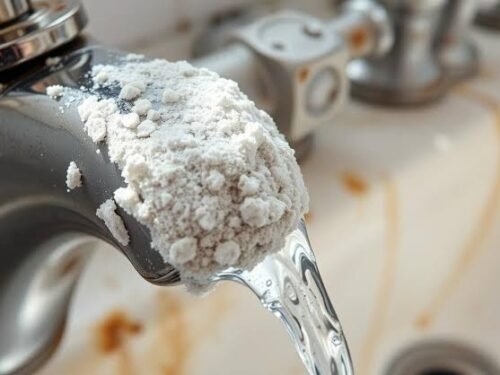
Most people don’t think much about their home’s water until it starts causing little problems. A glass of water tastes different. The showerhead gets covered in white scale. The dishwasher leaves spots on otherwise clean glasses. Maybe the laundry doesn’t feel quite as soft as it used to.
None of these things necessarily mean your water is unsafe, but they can be signs that the water coming into your house could use some attention.
That’s where whole-home water treatment comes in. Instead of treating water only at one faucet, these systems are designed to address water quality throughout the property. And for many homeowners, that makes life noticeably easier. Cleaner-feeling showers, better-tasting drinking water and less mineral buildup can add up to a pretty meaningful improvement.
The trick, though, is choosing the right system. There isn’t one magic solution for every home.
Start by Understanding Your Water
Before shopping for equipment, figure out what you’re actually dealing with. It sounds simple, but it’s probably the most overlooked step.
Water can contain minerals, sediment, chlorine, odors and other substances depending on its source and local conditions. Hard water, for example, contains elevated levels of calcium and magnesium. Those minerals aren’t generally considered a health concern at typical levels, but they can leave scale behind and make cleaning more difficult.
A basic water test can give you a much clearer picture. Once you know the water’s characteristics, you can focus on treatment that addresses an actual problem rather than buying equipment based on a sales pitch or a neighbor’s recommendation.
What Does a Whole-Home Conditioner Actually Do?
A whole-home water conditioner can be useful when your main concern is the way water behaves throughout the house. Depending on the technology, a conditioner may be designed to reduce the effects of hard-water minerals, improve water characteristics or address specific treatment needs.
The word “conditioner” is sometimes used pretty loosely, though, so don’t assume every conditioner works the same way. Some systems alter how minerals behave without actually removing them. Others use different treatment methods altogether.
That’s why asking what the equipment actually does is important. A reputable water professional should be able to explain the process in plain English, without making it sound like you’re sitting through a chemistry lecture.
Hard Water Can Wear on Everyday Life
You notice hard water gradually. First it’s the spots on the shower door. Then it’s the crusty buildup around the faucet. Eventually, you may find yourself scrubbing things that never seemed to need so much attention before.
Traditional water softeners are designed to reduce hardness by removing calcium and magnesium ions from the water through an ion-exchange process. For homes with genuinely hard water, this can make a difference in everything from bathing to washing dishes.
Softened water can also help reduce scale formation inside certain water-using appliances and plumbing components. That doesn’t mean it eliminates every maintenance problem, but it can make mineral buildup less of a constant battle.
Of course, softeners aren’t automatically the right answer. They require salt or another regeneration approach depending on the system, and their capacity needs to match household water usage. A small system working overtime for a large family isn’t exactly a recipe for convenience.
Filtration Is a Different Piece of the Puzzle
Water softening and water filtration are often mentioned together, but they’re not the same thing.
A filtration system is generally designed to reduce particular contaminants or unwanted substances as water passes through a filter. The type of filter matters enormously. Activated carbon, sediment filters and other technologies each have different purposes and limitations.
If you’re concerned about taste or chlorine, for example, carbon filtration may be worth considering. If sediment is the problem, a sediment filter may make more sense.
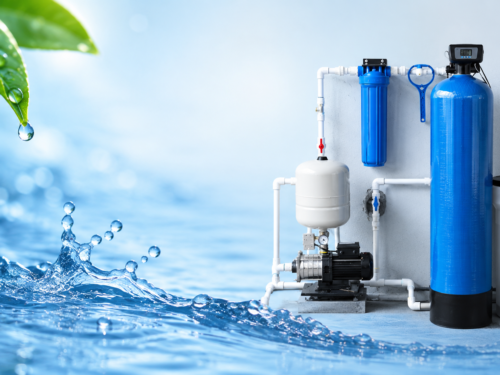
For broader treatment throughout the property, a whole house water filtration system can provide filtered water at multiple fixtures rather than limiting treatment to a single drinking-water tap.
Again, testing and product specifications matter. Don’t choose a filter simply because the box says “advanced” or “premium.” Look at what the system is certified or designed to reduce, how much water it can handle and when the filter needs to be replaced.
Think About Your Daily Routine
The best water treatment system is one that fits naturally into your life.
How many people live in the house? Do you have guests regularly? Are there multiple bathrooms? Do you use a lot of water for laundry or gardening? Are there older appliances that you’d like to protect?
These details affect sizing and system performance.
A couple living in a small home may have completely different needs from a family of six. A system that works beautifully for one household could be undersized for another.
Installation space matters, too. Treatment equipment needs room for maintenance, replacement parts and, in some cases, drainage or electrical connections. It’s easy to forget these practical details when you’re focused on the promise of better water.
Don’t Ignore Maintenance
Even a well-designed system needs attention from time to time.
Filters have to be changed. Softener systems may need salt or other consumables. Components can wear out. And like any mechanical or plumbing equipment, treatment systems perform better when they’re properly maintained.
Before purchasing, ask what routine maintenance looks like. How often are filters replaced? Does the company offer service? Are replacement parts readily available?
These aren’t exciting questions, admittedly. But they’re the sort of questions that become very important six months after installation.
Better Water Shouldn’t Feel Complicated
There is a tendency to make water treatment sound more complicated than it really needs to be. Homeowners are often presented with a wall of technical terms, charts and promises, when what they really want to know is pretty straightforward: What’s wrong with my water, what can be done about it, and what will it cost?
That’s a reasonable expectation.
Start with testing. Identify your priorities. Then compare treatment options based on performance, maintenance, installation requirements and long-term value — not just the sticker price.
For some homes, filtration will be the priority. For others, reducing hardness will make the biggest difference. And sometimes, a combination of technologies is the sensible route.
Good water treatment isn’t about buying the biggest system or the most expensive equipment. It’s about matching the solution to the water and the people using it.
Once you’ve got that right, the benefits can be pleasantly ordinary. The shower feels better. The dishes come out cleaner. You spend less time fighting mineral deposits. And when you fill a glass from the tap, you don’t stop to wonder what’s going on with the water.
Sometimes the best home improvements are the ones you barely notice — because they simply make everyday life work a little better.