Rethinking Workplace Water: Practical Solutions for a Healthier, More Convenient Office
In a busy workplace, water is one of those things people only notice when it isn’t readily available. An empty dispenser, a stack of plastic bottles, or water that doesn’t taste quite right can turn a simple break into an inconvenience. For offices, schools, healthcare facilities, and commercial spaces, providing dependable drinking water is more than a small courtesy. It plays a role in employee comfort, daily routines, and the overall impression a workplace creates.
As businesses become more conscious of waste, operating costs, and convenience, many are reconsidering how they provide water. The right solution depends on the building, the number of people using it, and the quality of the incoming supply. Fortunately, there are several practical options worth exploring.
Why Workplace Water Provision Deserves More Attention
A reliable water station supports more than hydration. Employees are more likely to refill a glass or bottle when clean drinking water is easy to access. In shared environments, that simple convenience can encourage better habits without requiring much effort.
There are operational benefits, too. Traditional bottled-water delivery may involve storage, frequent ordering, heavy lifting, and a steady stream of empty containers. For larger organizations, these details add up. Water provision also becomes part of a company’s sustainability conversation, particularly when reducing single-use plastic is an important goal.
Of course, convenience shouldn’t come at the expense of water quality. A workplace needs a system that is appropriate for its supply, usage demands, and maintenance capabilities.
The Appeal of Bottleless Water Coolers
For many offices, bottleless water coolers offer an alternative to traditional bottled dispensers. Rather than relying on large water bottles that need to be delivered and replaced, these units connect directly to a building’s water supply and use filtration or other treatment technologies to improve the water before dispensing.
The biggest advantage is convenience. There’s no need to schedule regular bottle deliveries or find storage space for heavy containers. Staff members can refill reusable bottles throughout the day, and the water station remains connected to the existing plumbing.
Bottleless coolers can also help reduce plastic waste associated with disposable and delivery bottles. That doesn’t mean they are automatically the right choice for every workplace, though. Installation requirements, filter replacement, water pressure, and available space all need to be considered.
Some models offer chilled, ambient, or sparkling water, while others include hot-water functions for tea and instant beverages. The best configuration depends on how the space is used rather than how many features appear on the brochure.
Understanding Ultraviolet Water Treatment
Filtration and disinfection are not exactly the same thing. Filters may reduce sediment, odors, or particular contaminants, while disinfection methods are designed to address microorganisms. UV water purification uses ultraviolet light to inactivate certain bacteria, viruses, and other microorganisms as water passes through a treatment chamber.
UV treatment is often valued because it doesn’t require adding chemical disinfectants to the water. It can be incorporated into drinking-water equipment and larger treatment setups, depending on the application.
Still, UV systems work best when the water entering the unit is suitable for the technology. Turbidity, suspended particles, and water chemistry can affect performance. UV lamps and related components also require maintenance, and the system must be correctly sized for the flow rate.
For businesses considering UV treatment, it’s important to ask what organisms the system is tested to address, whether pre-filtration is required, and how performance is monitored. A reputable supplier should be able to explain these details in plain language.
Commercial Water Systems Need to Match Real Demand
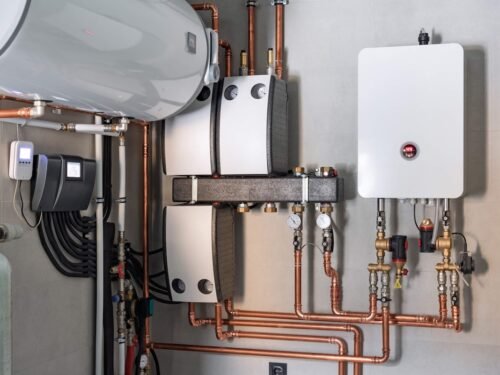
A small office with ten employees has very different needs from a hotel, factory, restaurant, or school serving hundreds of people. Commercial water systems are designed for a wide range of applications, from point-of-use drinking stations to larger treatment arrangements serving multiple areas of a facility.
Choosing the right system begins with understanding demand. How many people will use the water each day? Are peak periods concentrated around lunch breaks or shift changes? Is the system intended only for drinking water, or will it support food preparation, equipment, or other processes?
Flow rate and capacity matter just as much as filtration technology. A system that works well in a small office may struggle in a high-traffic environment if it cannot keep up with demand. Businesses should also consider the quality of the incoming water and whether local regulations or industry-specific requirements apply.
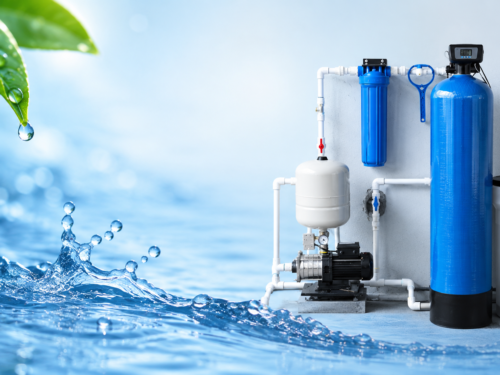
In some facilities, a combination of technologies may be appropriate. For example, sediment filtration, carbon treatment, softening, or UV disinfection may each serve a different purpose. The goal is not to add every available treatment stage, but to build a setup that addresses identified water-quality concerns.
Water Quality Testing Should Come First
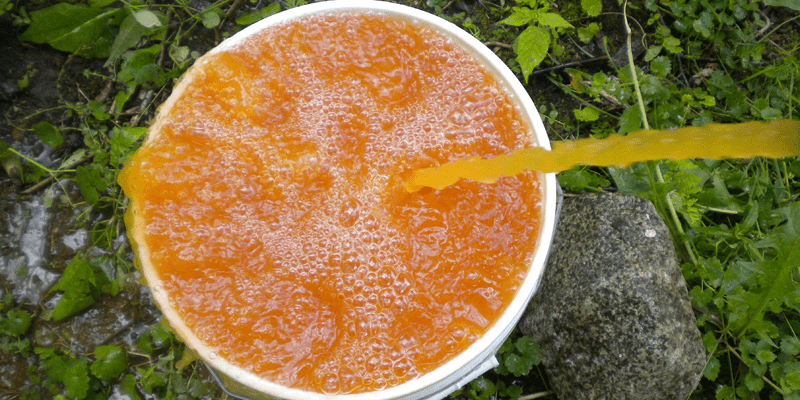
Before investing in commercial water equipment, testing the incoming water is a sensible starting point. Municipal water supplies are generally treated, but quality can still vary due to local conditions, building plumbing, storage tanks, or the age of internal infrastructure.
Testing may examine hardness, pH, chlorine, sediment, and other characteristics relevant to the intended use. If there are specific concerns about contaminants, those should be tested separately using appropriate methods.
The results help determine which technologies are necessary. A business dealing mainly with unpleasant taste may need a different solution from one concerned about microbial control or mineral buildup. Without testing, it’s easy to pay for features that don’t solve the actual problem.
Maintenance Is Where Reliability Comes From
A water system doesn’t become dependable simply because it was installed correctly. Filters need replacement, UV lamps may require scheduled servicing, and dispensing equipment should be cleaned according to the manufacturer’s recommendations.
In a busy commercial setting, maintenance should be planned rather than treated as an afterthought. A missed filter change can affect taste and performance, while poor cleaning practices may create hygiene concerns around frequently touched dispensing areas.
Businesses should ask about service intervals, replacement-part availability, warranty terms, and response times before signing an installation agreement. A slightly more expensive system may prove easier to manage if the supplier provides clear support and dependable servicing.
It also helps to assign responsibility internally. Someone should know when maintenance is due, who to contact, and what signs might indicate a problem.
Balancing Cost, Convenience, and Sustainability
The initial purchase price is only one part of the financial picture. Businesses should consider installation, electricity, filter replacements, servicing, and the expected lifespan of the equipment. Comparing these costs with bottled-water delivery can provide a more realistic view of long-term value.
Sustainability is another factor, but it should be approached practically. Reducing bottle deliveries may lower packaging waste and transportation demands, while encouraging reusable bottles can support broader workplace environmental goals. However, equipment still has an environmental footprint, so efficiency and maintenance matter.
The strongest decision is usually the one that balances water quality, user convenience, operational demands, and ongoing costs—not simply the one with the most impressive feature list.
A Smarter Way to Provide Water at Work
Workplace water provision may seem like a minor operational detail, but it affects people every day. A well-chosen system can make drinking water easier to access, reduce unnecessary logistical work, and support a cleaner, more organized environment.
Whether a business is exploring a bottleless cooler, UV treatment, or a larger commercial setup, the process should begin with water testing and a clear understanding of demand. From there, the right equipment, maintenance plan, and supplier support can make all the difference.
Good water infrastructure rarely calls attention to itself. It simply works when people need it—and that’s exactly what a workplace should expect.