From Hard Water to Better-Tasting Taps: Choosing the Right Water System for Your Home
Water is something most of us use all day without thinking twice about it. It runs through the shower, fills the kettle, washes our vegetables, and ends up in the glass beside the bed. But when the water quality isn’t quite right, the signs can become difficult to ignore. White scale appears around faucets, glasses develop a cloudy film, laundry feels rough, or the water simply doesn’t taste as fresh as it should.
These everyday frustrations often lead homeowners to explore water treatment systems. The challenge is knowing which solution actually fits the problem. A water softener, a whole-home filter, and a drinking water system can all improve the water experience, but they don’t necessarily do the same job. Choosing wisely starts with understanding what your water needs—and what each system is designed to provide.
Understand What’s Actually in Your Water
Before buying any equipment, take a closer look at your water source. Homes supplied by a municipal network may have different concerns from properties using private wells. Even within the same area, water quality can vary because of local infrastructure, plumbing, or changes in the supply.
A water test is a useful starting point. Depending on the situation, it may identify hardness, chlorine, sediment, iron, pH levels, or other substances that could affect water quality. You don’t need to understand every technical term on a laboratory report, but knowing the main issue can prevent you from choosing a system based on guesswork.
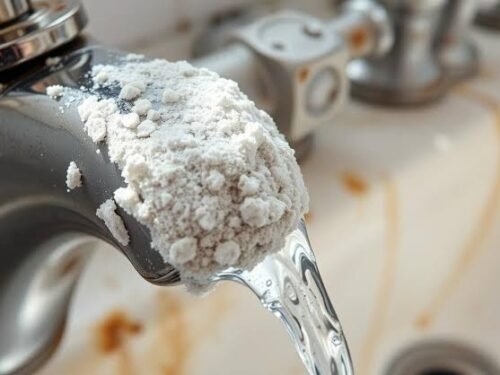
For instance, a chalky buildup on showerheads often points toward hard water. An unpleasant smell may suggest a need for filtration. These are different concerns, and treating them effectively requires different approaches.
Water Softeners and Filters Have Different Roles
One of the most common mistakes homeowners make is treating the words “softener” and “filter” as if they mean the same thing. They don’t.
Water softeners are mainly designed to reduce hardness minerals, particularly calcium and magnesium. These minerals can create scale inside pipes and appliances, interfere with soap, and leave deposits on sinks and shower surfaces. Reducing hardness can make cleaning easier and help protect water-using appliances.
Filtration systems, meanwhile, are designed to reduce particular substances from water. Depending on the technology, a filter may target sediment, chlorine, unpleasant odors, or certain contaminants. No single filter removes everything, which is why selecting the right type matters.
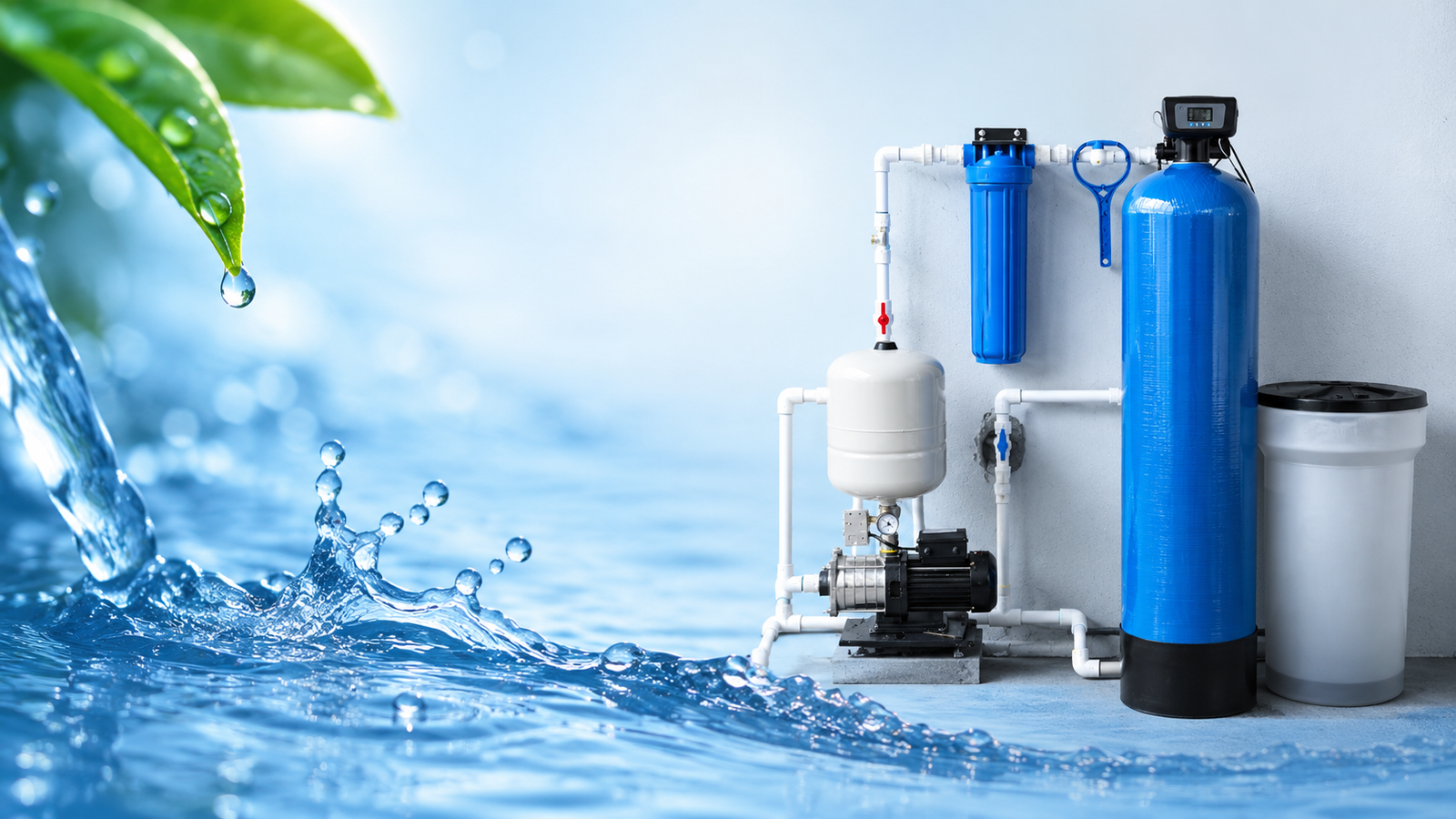
A combined water softener/filtration setup may be useful for homes dealing with both hard water and specific water quality concerns. However, combining systems isn’t automatically necessary. The right arrangement should be based on test results, household priorities, and professional guidance.
Think About Where You Need Treated Water
Not every household needs the same level of treatment. Some people want better water throughout the property, while others mainly want cleaner-tasting water for drinking and cooking.
Whole-home systems treat water as it enters the house, allowing multiple outlets to benefit from the treatment. This can be helpful when hard water affects showers, laundry, dishwashers, and plumbing fixtures. Point-of-use systems, such as under-sink filters, focus on one location and may be a practical choice for drinking water.
Consider your daily habits. Do you frequently fill water bottles from the kitchen tap? Are mineral deposits damaging your bathroom fixtures? Does your coffee taste different depending on the water you use? These small observations can help clarify whether your needs are broad or limited to a particular area.
Pay Close Attention to Drinking Water Quality
Water that looks clear isn’t necessarily free from every contaminant, and water that tastes unusual isn’t automatically unsafe. Taste, appearance, and safety are related, but they are not the same thing.
Different drinking water technologies address different concerns. Activated carbon filters are commonly used to improve taste and reduce chlorine. Reverse osmosis systems can reduce a wider range of dissolved substances when properly designed and maintained. Ultraviolet systems are used in certain applications to address microorganisms, particularly when the water source makes that concern relevant.
When comparing drinking water systems, look carefully at the claims being made. Check which contaminants the system has been tested or certified to reduce, whether it suits your water source, and how often its filters or components need attention. A system should be selected for a clear purpose rather than based only on an impressive product description.
Installation and Maintenance Matter More Than You Might Expect
Even a high-quality water treatment system needs proper installation and regular care. A system that is incorrectly sized or poorly connected may not perform as expected. Some equipment also requires a drain, electrical connection, plumbing modifications, or enough room for maintenance access.
Ask the installer to explain how the system will fit into your existing setup. It’s also worth discussing water pressure, flow rate, and the number of people using water in the home. These details can affect how well the equipment performs during busy periods, such as mornings when several taps or showers are running.
Maintenance is another part of the long-term picture. Filters need replacement, softeners may require salt or cleaning, and certain components need periodic inspection. Ignoring these tasks can reduce performance and may allow problems to go unnoticed.
Don’t Replace an Existing System Too Quickly
If your home already has a water treatment system, a sudden change in performance doesn’t always mean it needs to be replaced. Sometimes the issue is something relatively simple, such as an exhausted filter, incorrect settings, a blocked component, or a maintenance problem.
Warning signs can include reduced water flow, unusual sounds, changes in taste, leaks, recurring scale, or water that no longer seems to be treated effectively. These symptoms can have several causes, so an inspection is often more useful than immediately purchasing new equipment.
Before making a major investment, ask whether the provider offers service for your current system. A qualified technician may be able to identify the problem, recommend a repair, or explain whether an upgrade is genuinely worthwhile. This approach can save money and extend the useful life of equipment that still has plenty to offer.
Compare Long-Term Costs, Not Just the Initial Price
The purchase price is only one part of owning a water treatment system. Installation, replacement filters, salt, electricity, repairs, and general maintenance can all contribute to the total cost over time.
A lower-priced system may not be the most economical option if its replacement parts are expensive or difficult to find. Similarly, a system that is too small may struggle with household demand, while one that is unnecessarily large may waste resources.
Ask for a clear estimate that explains what is included. Find out how often consumables need replacing and whether maintenance is available locally. A reliable provider should be willing to explain these details without making unrealistic promises.
Choose a Solution That Fits Your Home
The best water treatment decision is rarely about buying the most advanced or expensive system available. It’s about identifying the actual water problem and choosing equipment that addresses it effectively.
Start with testing, understand the difference between softening and filtration, consider where treated water is needed, and think about maintenance before making a purchase. If you already own a system, explore repair and servicing options before assuming replacement is the only answer.
The right setup should make everyday life a little easier—from cleaner fixtures and better-performing appliances to water that tastes more pleasant at the kitchen tap. With informed choices and consistent care, a good water treatment system can quietly become one of the most useful improvements in your home.