Keeping Your Water Softener Running Well: The Value of Regular Care
A water softener can make everyday household tasks noticeably easier. Soap lathers better, mineral deposits become less troublesome, and cleaning the bathroom may no longer feel like a never-ending battle against white marks on the fixtures. But like any equipment that works quietly in the background, a water softener needs a little attention to keep doing its job properly.
Many homeowners install a system, enjoy the benefits, and then forget about it until something changes. Perhaps the water starts feeling hard again, the shower develops scale, or the salt level drops lower than expected. These signs don’t always indicate a major failure, but they do suggest that the system deserves a closer look.
Regular care isn’t complicated when you understand what your equipment needs. A few simple checks, timely servicing, and a sensible maintenance routine can help keep your water softener working reliably for years.
Why Water Softener Maintenance Matters
Most conventional water softeners use an ion-exchange process to reduce hardness. Inside the system, resin beads capture calcium and magnesium ions and exchange them for other ions, commonly sodium. Over time, the resin needs to be regenerated so it can continue treating water effectively.
That regeneration process depends on the system’s design, settings, and supply of regenerant salt. If something interrupts the process, hard water may begin reaching your taps again. The change can be gradual, which makes it easy to overlook at first.
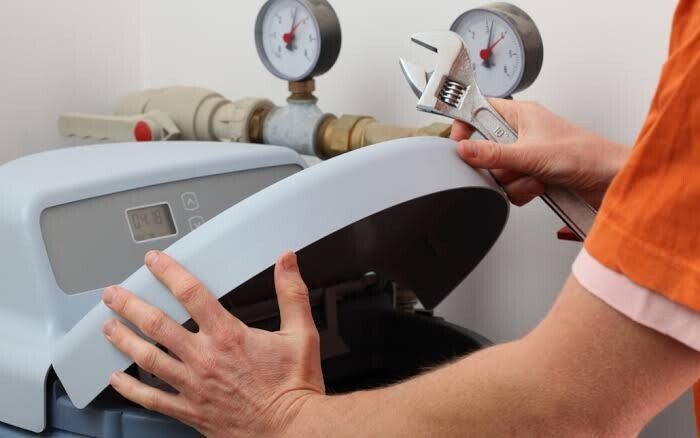
Professional water softener maintenance services can help identify issues before they become more disruptive. During a service visit, a qualified technician may inspect the control valve, check regeneration settings, examine connections for leaks, and assess whether the system is operating as intended. The exact tasks depend on the model and its condition.
Maintenance can also help uncover problems that aren’t immediately obvious. A system might still be running while using more salt or water than necessary. Another may have an incorrect clock setting after a power interruption. Small adjustments can sometimes restore normal operation without requiring expensive replacement parts.
Keep an Eye on Salt Levels
Salt is an important part of maintaining many conventional water softeners. It supports the regeneration process, allowing the resin to continue removing hardness minerals from incoming water. When the salt supply runs low or the system cannot use it properly, performance may suffer.
Check the brine tank according to the manufacturer’s instructions. You generally want to maintain an adequate supply without filling the tank beyond its recommended level. The right amount varies by model, salt type, and household water use, so avoid relying on a one-size-fits-all rule.
It is also worth looking inside the tank occasionally. Under certain conditions, salt can form a hard crust or bridge above the water, leaving an empty space beneath it. This can prevent the system from drawing brine as expected. A technician can help if the problem keeps returning or if you’re unsure how to address it safely.
For busy households, a reliable salt delivery service can take some of the hassle out of keeping supplies available. Instead of waiting until the tank is nearly empty, you can arrange deliveries based on your usage and storage space. This is particularly convenient for larger homes or properties where carrying heavy bags of salt is difficult.
Choose salt that is compatible with your particular system. Although many softeners use standard water-softener salt products, the manufacturer may recommend a particular type or purity level. Using the correct product helps avoid unnecessary complications and makes routine care more straightforward.
Notice the Early Signs of a Problem
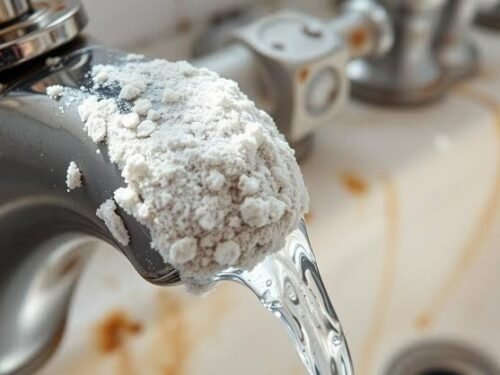
Your home can offer useful clues about the condition of a water softener. If soap suddenly becomes harder to lather, mineral spots begin returning, or scale develops around faucets, check whether the system is working properly.
These symptoms don’t automatically mean the softener has failed. Changes in the incoming water supply, higher household demand, incorrect settings, or a problem with regeneration may all affect results. A water test can help determine whether hardness is passing through the system.
Pay attention to water pressure, too. A noticeable drop could indicate a clogged prefilter, plumbing restriction, or another issue elsewhere in the system. Softener resin or control-valve problems are also possible, but the cause should be investigated rather than guessed at.
Leaks deserve prompt attention. Inspect the area around the tank, hoses, and nearby plumbing from time to time. If you see water where it shouldn’t be, follow the manufacturer’s safety instructions and contact a qualified professional when needed.
Keep in mind that a softener is designed primarily to reduce hardness minerals. If your water develops a strong odor, unusual color, or an unexpected taste, the cause may be unrelated to softening. Additional testing may be necessary to identify the problem.
Why Preventative Care Is Worth the Effort
Waiting for equipment to stop working can turn a small issue into an inconvenient repair. A clogged component, incorrect regeneration schedule, or persistent salt bridge may be easier to address when discovered early.
This is where preventative maintenance makes a practical difference. Rather than waiting for hard water symptoms to return, homeowners can schedule periodic checks based on the manufacturer’s recommendations, the system’s age, and the condition of their water.
A maintenance visit may include checking the brine tank, reviewing regeneration frequency, inspecting visible plumbing connections, and confirming that the system’s settings suit household demand. Some systems also benefit from cleaning or sanitizing particular components, but these tasks should be performed according to the manufacturer’s instructions.
There isn’t one universal service schedule for every home. A household with high water use or particularly challenging water conditions may need more frequent attention than a smaller household with relatively stable water quality. Your service provider should explain why a particular schedule makes sense instead of recommending visits without considering your circumstances.
Regular care may also help you plan financially. Replacing a worn component at the right time is often easier to manage than dealing with an unexpected breakdown. Although maintenance cannot guarantee that parts will never fail, it can improve the chances of catching developing issues before they become serious.
Understand What Your System Needs
Not all water softeners operate in the same way. Some use electronic controls, while others rely on mechanical or water-powered mechanisms. Their maintenance requirements, regeneration methods, and replacement parts can differ significantly.
Start by keeping the model number and user manual somewhere accessible. Record service dates, note when salt is added, and write down any changes in water quality. This simple history can help a technician understand what has happened if the system begins behaving differently.
If you have recently moved into a home with an existing softener, don’t assume it has been maintained correctly. Ask for any available service records and have the system inspected if its condition is unclear. It may need nothing more than routine attention, but finding out early is better than discovering a problem after months of use.
When comparing service providers, ask about their experience with your specific equipment, what their inspection includes, and whether replacement parts and additional repairs are charged separately. Clear explanations make it easier to understand what you’re paying for.
Make Water Softener Care Part of Your Routine
A well-maintained water softener rarely demands much attention from the people who rely on it. That’s part of its appeal. Once the system is correctly installed and adjusted, regular checks can help it continue working quietly in the background.
Keep the salt supply at an appropriate level, watch for changes in water quality, inspect for visible leaks, and follow the manufacturer’s service recommendations. If something doesn’t seem right, investigate early rather than continually adjusting settings without knowing the cause.
Most importantly, remember that maintenance isn’t simply another household expense. It’s a way to protect equipment you’ve already invested in and reduce the inconvenience of unexpected problems.
With a sensible routine and professional help when needed, your water softener can remain a dependable part of your home. The benefits are often found in the small, everyday things: cleaner fixtures, fewer mineral deposits, and one less household problem demanding your attention.