What Your Water Is Really Telling You: Why Testing Should Come Before Treatment
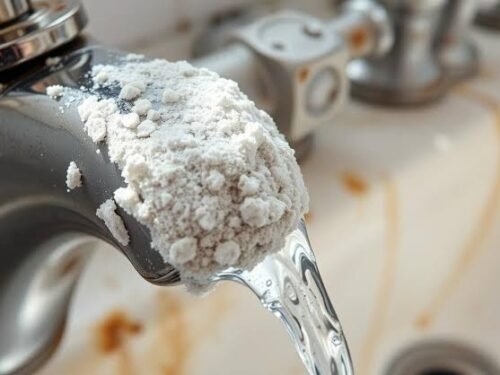
Most people don’t think much about their household water until something seems off. Maybe the tap suddenly has a strange taste. There’s a reddish mark around the sink. The shower leaves a stubborn white film on the glass. Or, perhaps, the water looks perfectly normal but you’ve started wondering whether “clear” really means clean.
That’s where water testing becomes useful.
Testing isn’t about creating unnecessary worry. It’s about replacing guesswork with information. Once you know what’s actually in your water, choosing a treatment method becomes a whole lot easier. You may discover that you need very little. Or you might find that a more targeted solution is worth the investment.
Either way, it’s better to know.
Why Household Water Can Change
Water can pick up minerals and other substances as it moves through natural environments, treatment facilities, wells and plumbing. The source matters, but so does the journey from that source to your faucet.
Municipal water is generally treated and monitored, yet the water entering a home can still be affected by household plumbing. Older pipes, corrosion, sediment or changes in the local supply may influence its taste or appearance.
Private wells are a different story. Well owners are responsible for keeping a closer eye on their water because conditions underground can change over time. Heavy rainfall, nearby land use, damaged well components and other environmental factors may affect water quality.
And then there are the everyday annoyances: hardness, chlorine taste, sulfur-like odors and mineral buildup. Not all of these indicate a serious health problem, but they can certainly make water less pleasant to live with.
Testing Gives You a Starting Point
It’s tempting to buy a filter based on a friend’s recommendation. “We installed this one and love it,” sounds convincing enough.
But your water may not have the same characteristics.
That’s why free water testing can be a useful first step when it’s genuinely offered by a reputable provider. Testing can help identify characteristics that aren’t obvious just by looking at a glass of water. Depending on the test, results may provide information about hardness, pH, iron, chlorine and other water-quality indicators.
The important part is understanding what the test actually covers. “Free” doesn’t automatically mean comprehensive, and a basic screening shouldn’t be treated as a complete laboratory assessment.
Ask what is being tested, how the sample is handled and whether additional testing is recommended if something unusual turns up.
Don’t Judge Water Quality by Appearance Alone
One of the biggest misconceptions about water is that you can tell whether it’s safe simply by looking at it.
Unfortunately, many substances that matter aren’t visible. Water can look crystal clear and still contain dissolved minerals or other contaminants. On the flip side, cloudy or discolored water isn’t automatically dangerous; sometimes the appearance is caused by harmless particles or air.
In other words, your eyes are useful, but they aren’t a laboratory.
If you’ve noticed a change in taste, smell or appearance, that’s worth paying attention to. It doesn’t mean you should panic. It means there’s a reason to investigate.
What Happens During a Water Analysis?
A more detailed expert water analysis can provide a clearer picture when basic testing doesn’t answer all your questions.
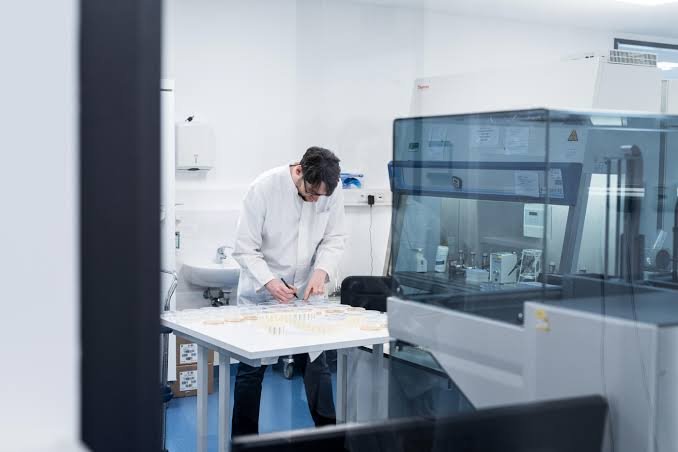
The process can vary depending on the provider and the type of water involved. A sample may be collected from a specific point in the home and evaluated for selected physical, chemical or microbiological characteristics. In some situations, a laboratory test may be appropriate, particularly when there are concerns about specific contaminants.
Good analysis should ultimately answer a practical question: What does this water need?
That distinction matters. Testing simply to produce a long list of numbers isn’t terribly helpful unless someone can explain what those numbers mean and what, if anything, should be done about them.
Different Problems Need Different Solutions
This is where many homeowners get tripped up.
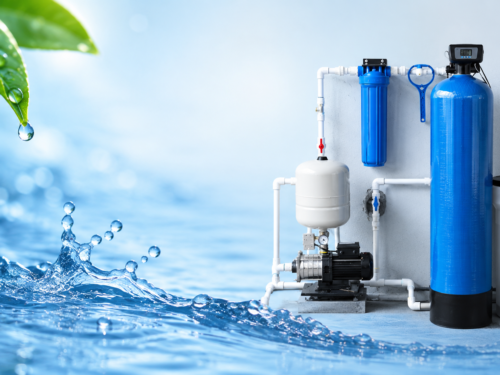
Water hardness, for example, is generally addressed with water-softening technology. Sediment may call for sediment filtration. Taste and odor problems can sometimes be improved with activated carbon. Other concerns may require more specialized treatment.
There isn’t one magic piece of equipment that solves every water issue.
A professional should be able to connect the test results to the recommended treatment. If someone immediately pushes a large system without first asking about your water source, household needs or actual concerns, it’s reasonable to slow down and ask questions.
You’re buying a solution, not just a machine.
Installation Matters More Than People Think
Even a well-designed treatment system can underperform if it isn’t installed correctly.
Plumbing configuration, water pressure, flow rate, drainage and available space can all influence how equipment should be fitted. A whole-home system, in particular, needs to be integrated into the home’s plumbing rather than simply placed wherever there happens to be room.
That’s why professional installation can be a worthwhile part of the process. An experienced installer can make sure connections are secure, components are positioned correctly and the system is configured for the household’s water demands.
There’s also something reassuring about knowing who to call if you discover a leak or the system isn’t behaving as expected.
Maintenance Doesn’t End on Installation Day
This part isn’t nearly as exciting, but it may be the most important.
Filters have replacement schedules. Some systems require periodic cleaning or servicing. Certain components eventually wear out. If maintenance is ignored, performance can decline.
Before choosing a system, find out what ongoing care looks like. Ask how often filters need replacement, whether parts are easy to obtain and what routine service costs.
A good treatment system should fit your lifestyle. If maintaining it becomes a constant chore, chances are you won’t keep up with it.
Choose Information Over Pressure
Improving household water quality doesn’t have to be complicated. Start by figuring out what you’re dealing with. Test the water, understand the results and then look at treatment options that address the actual problem.
Most importantly, don’t let dramatic sales language make the decision for you. A trustworthy water professional should explain findings clearly, acknowledge the limits of the equipment and give you room to think.
Sometimes the answer is a simple filter. Sometimes it’s a softener, a more advanced treatment system or additional laboratory testing. And occasionally, the best answer is that you don’t need to install anything at all.
That last possibility is worth remembering.
Good water treatment begins with good information. Once you know what your water is saying, you can make a decision based on facts rather than fear—and that usually leads to a better result for both your home and your wallet.