Why Professional Water Treatment Matters for Cleaner, Healthier Water
Water is something most people use without giving it much thought. We turn on the tap, fill a glass, wash vegetables, take a shower, and get on with the day. But when water starts leaving stains on fixtures, carrying an unusual smell, or tasting different, it becomes clear that not all water problems are easy to spot—or solve.
Clean-looking water isn’t always free from unwanted minerals, contaminants, or other quality concerns. That’s why understanding your water supply and choosing the right treatment approach can make a meaningful difference at home or in a business. Professional guidance can help turn uncertainty into a practical plan for safer, more pleasant water use.
Understanding What May Be in Your Water
Water quality can vary considerably depending on where it comes from. Municipal water, private wells, and other local supplies may each have different characteristics. Even within the same area, water conditions can change because of seasonal factors, plumbing systems, groundwater movement, or changes in the supply network.
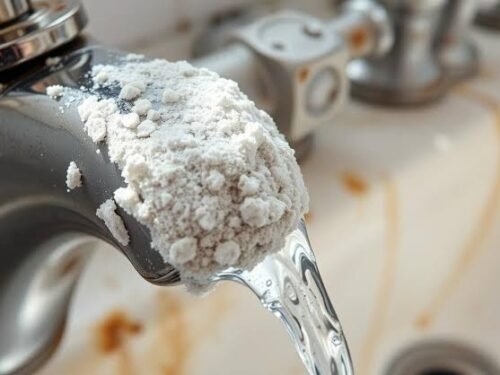
Some common concerns include hardness caused by calcium and magnesium, unpleasant tastes and odors, sediment, iron staining, and certain chemical or microbial contaminants. Hard water, for example, may leave chalky deposits on taps and showerheads. It can also make soap less effective and cause scale to build up inside appliances.
Other concerns may not be visible at all. A glass of water can look perfectly clear while still requiring testing to identify particular substances. This is one reason assumptions based only on appearance or taste can be misleading.
Why Testing Should Come Before Treatment
One of the most useful steps in improving water quality is arranging water testing & diagnosis before purchasing equipment. Testing provides information about what is actually present, rather than relying on guesswork or a one-size-fits-all solution.
A proper assessment may examine factors such as pH, hardness, iron, manganese, chlorine, total dissolved solids, and other parameters relevant to the water source. Depending on the location and suspected concerns, additional testing may be appropriate.
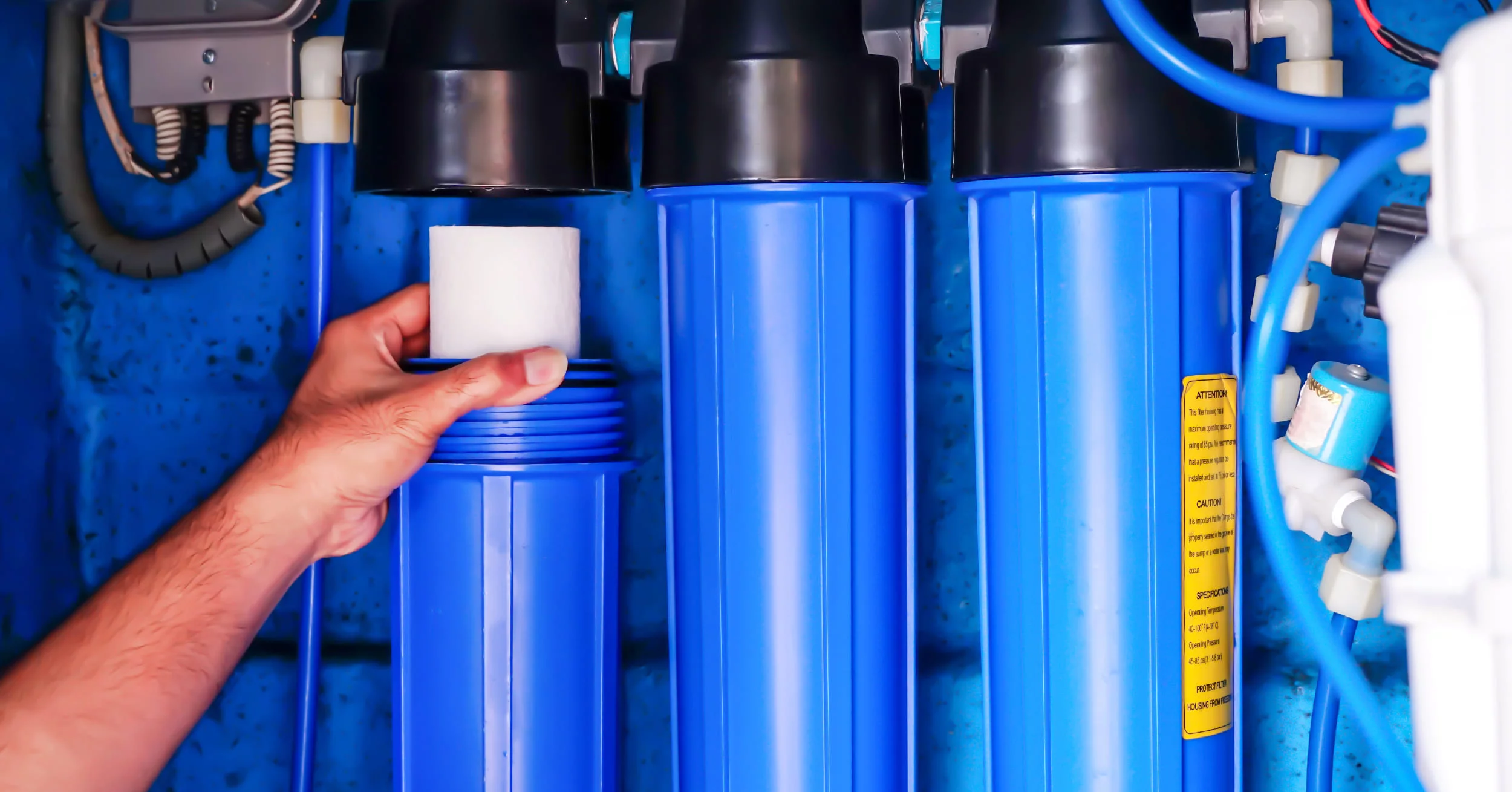
The results help determine whether a household needs a softener, sediment filter, activated carbon system, reverse osmosis unit, disinfection method, or a combination of technologies. Not every home needs every type of filter. Installing the wrong system can waste money, create unnecessary maintenance, and still leave the original issue unresolved.
A professional assessment also considers how much water the property uses, where treatment is needed, and whether the system should serve the entire building or just one outlet.
Choosing the Right Treatment for the Problem
Water treatment isn’t a single product category. Different systems are designed for different purposes, and understanding those differences makes the buying decision much easier.
Water softeners are commonly used to reduce hardness minerals that contribute to scale and soap-related problems. They can be particularly useful where hard water affects plumbing, water heaters, laundry, and bathing.
Whole-home filtration systems may help reduce sediment, chlorine taste, odors, and certain other impurities, depending on the filter media and system design. Activated carbon is often used for improving taste and odor, although it is not a universal solution for every contaminant.
Reverse osmosis systems are generally installed at selected drinking-water points and can reduce a range of dissolved substances. However, their performance depends on the membrane, pre-filtration, water pressure, and maintenance.
Disinfection systems, including ultraviolet treatment, may be considered when microbial concerns are relevant. These systems must be selected and maintained appropriately, because treatment effectiveness depends on the specific water conditions.
The important point is simple: the best solution is the one matched to the actual problem.
How Professionals Make the Process Easier
Researching water treatment online can quickly become confusing. One website recommends a softener, another promotes reverse osmosis, and a third suggests a whole-house filter. Without understanding the water itself, it is difficult to know which advice applies.
Working with experienced water treatment experts can make the process more straightforward. Professionals can evaluate the source, discuss the symptoms you’re noticing, interpret test results, and explain which treatment options may be suitable.
A good provider should be willing to explain what a system can and cannot do. They should also discuss installation requirements, filter replacement intervals, expected operating costs, and maintenance responsibilities. Clear answers matter more than impressive technical language.
It’s also worth asking whether the company offers follow-up support. Water treatment is not always a one-time purchase. Filters need replacing, components require inspection, and water conditions may change over time.
The Everyday Benefits of Better Water Quality
When water treatment is properly matched to a property’s needs, the benefits can be felt in ordinary routines. Reduced scale may help protect plumbing fixtures and appliances. Better-tasting water can make drinking from the tap more appealing. Cleaner water may also improve the experience of cooking, making coffee, washing clothes, and bathing.
For households dealing with hard water, the difference can be especially noticeable. Fewer mineral deposits may mean less scrubbing around sinks and shower doors. Laundry may feel different, and water heaters may operate with less scale buildup when the underlying hardness issue is addressed appropriately.
Of course, treatment does not automatically make every water supply safe for every purpose. The system must be certified or validated for the contaminants it is intended to reduce, and it must be maintained according to the manufacturer’s instructions.
Maintenance Is Part of the Solution
Even a high-quality treatment system needs attention. Filters become less effective as they collect impurities, membranes require care, and softeners may need salt or other routine servicing. Ignoring maintenance can reduce performance and, in some cases, create new water-quality concerns.
A practical maintenance plan should include checking filter replacement dates, inspecting connections, monitoring changes in water taste or odor, and arranging periodic testing when appropriate. Homeowners should keep product manuals and service records, especially if the system includes multiple treatment stages.
If water quality suddenly changes after installation, don’t simply assume the equipment is working normally. Contact the installer or a qualified professional and investigate the cause.
Making a Thoughtful Investment
Water treatment equipment can be a valuable long-term investment, but price alone shouldn’t determine the decision. A low-cost system may not address the actual concern, while an unnecessarily complex setup can create expenses that offer little practical benefit.
Before making a purchase, compare the treatment purpose, capacity, certifications, maintenance needs, warranty, and estimated running costs. Ask for a written explanation of what the system is designed to reduce. If a company promises to remove everything without providing meaningful details, it’s reasonable to ask more questions.
The goal isn’t to buy the most equipment. It’s to choose a solution that supports reliable water quality and fits the property’s needs.
A Better Approach to Everyday Water
Water quality deserves more attention than it often receives. Some issues are obvious, such as staining or unpleasant odors, while others require proper testing to identify. Taking the time to understand the supply, investigate concerns, and select suitable treatment can prevent unnecessary spending and improve everyday comfort.
Ultimately, cleaner, healthier water begins with informed decisions. A thoughtful assessment, the right technology, and consistent maintenance work together far more effectively than a rushed purchase based on assumptions. When water treatment is approached this way, it becomes less about chasing problems and more about creating a dependable part of daily life.