Understanding Common Water Problems and Choosing the Right Treatment for Your Home
Water is something most people rarely think about until it starts causing trouble. A strange taste in your morning coffee, white marks around the faucet, or an unpleasant smell from the shower can turn an ordinary household routine into a frustrating experience. While water may look clean, it can still contain minerals, metals, and other substances that affect its quality.
The good news is that many common water problems can be identified and managed with the right approach. Understanding what is happening inside your plumbing is the first step toward choosing a treatment solution that actually fits your home.
Why Water Quality Problems Deserve Attention
Water quality is not only about whether water looks clear in a glass. Some issues are easy to spot, while others remain unnoticed until they affect appliances, plumbing, or taste. The source of your water, whether it comes from a municipal supply or a private well, can influence the challenges you experience.
Hardness, iron, sulfur compounds, sediment, and other naturally occurring substances may enter water through underground rock formations or aging infrastructure. These issues don’t always mean the water is unsafe, but they can affect how water feels, smells, and performs throughout the house.
A professional water test can help identify the actual problem instead of relying on guesswork. After all, installing a treatment system without knowing what’s in the water is a bit like taking medicine without knowing what you’re treating.
Hard Water and the Trouble It Creates
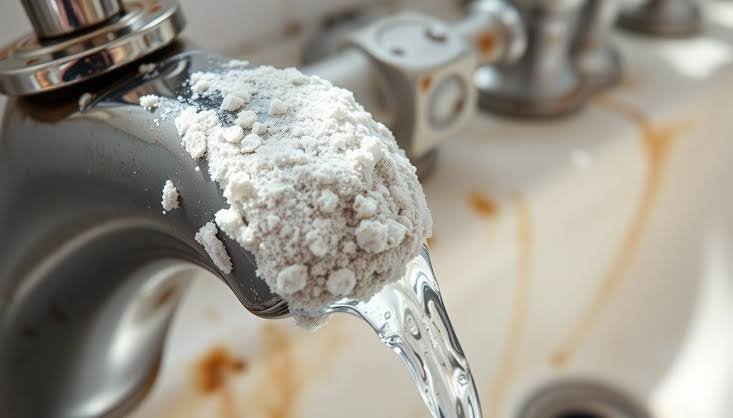
One of the most common household water concerns is hard water & scale buildup. Hard water contains elevated levels of minerals, mainly calcium and magnesium. These minerals aren’t usually considered a health concern at typical household concentrations, but they can create plenty of practical headaches.
When hard water is heated or evaporates, minerals can form a chalky residue called scale. You may notice it around showerheads, faucets, kettles, coffee makers, and water heaters. Over time, scale can reduce the efficiency of appliances and restrict water flow through certain plumbing components.
Hard water can also make soap and shampoo harder to rinse away. Clothes may feel stiff after washing, and glassware can come out of the dishwasher with cloudy spots. A water softener is often used to reduce hardness by exchanging calcium and magnesium ions for sodium or potassium ions. However, the right system depends on the household’s water chemistry, water usage, and preferences.
Iron, Rust, and Metallic-Tasting Water
Iron is another frequent concern, particularly in homes that rely on well water. Even when iron levels are relatively low, they can create noticeable problems. Water may appear clear at first and then develop a yellow, orange, or reddish tint after sitting in a container.
Homeowners sometimes describe iron, rust, & metallic tastes when discussing this issue. Iron can leave stains on sinks, toilets, laundry, and fixtures. It may also produce an unpleasant metallic flavor, making drinking water less appealing. In some cases, iron bacteria can contribute to slimy deposits or additional odor problems.
The best treatment depends on the form and concentration of iron present. Dissolved ferrous iron may require a different filtration or oxidation method than visible ferric iron particles. Iron removal filters, oxidizing systems, and specialized treatment equipment can help, but testing is important before choosing one. A basic sediment filter alone may not solve a dissolved iron problem.
What Causes Rotten Egg Smells?
A rotten egg smell is often associated with hydrogen sulfide gas, which can occur naturally in groundwater. The odor may be especially noticeable when turning on a hot-water tap or taking a shower. In some situations, the smell comes from sulfur compounds in the water itself. In others, it may be related to reactions inside the water heater.
If you’re dealing with rotten egg smells, don’t assume the cause is always the same. A water professional can help determine whether the issue is coming from the source water, plumbing, or water-heating equipment.
Treatment options may include aeration, activated carbon, oxidation, or other specialized filtration methods. The appropriate choice depends on the concentration of hydrogen sulfide and whether other contaminants are present. If the odor is sudden, unusually strong, or accompanied by other changes in water quality, it’s worth investigating promptly rather than simply masking it with fragrance or cleaning products.
Sediment and Cloudy Water
Not every water problem involves dissolved minerals or gases. Sediment, such as sand, silt, and small particles, can enter water through wells, plumbing systems, or maintenance work on supply lines. It may cause cloudy water, gritty deposits, clogged faucet aerators, and premature wear on appliances.
A sediment filter is often a useful first line of defense. These filters capture suspended particles before they travel farther into the home’s plumbing. However, filter selection matters. A cartridge designed for fine sediment may clog quickly if the water contains larger amounts of sand or debris.
If sediment appears regularly, the underlying cause should be checked. In well-water systems, it may indicate changes in the well, pump, or pressure tank. Treating the symptom without examining the source can lead to repeated maintenance and unnecessary expense.
Choosing a Water Treatment System
The right water treatment system should be based on actual water conditions rather than a one-size-fits-all recommendation. Start with a laboratory or professional water test that checks for relevant concerns, such as hardness, iron, pH, sulfur compounds, and other contaminants based on your water source.
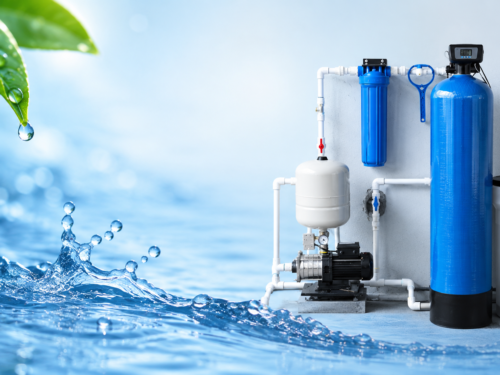
Once the results are available, consider how the water is used. A whole-house filtration system may be appropriate when the goal is to improve water quality throughout the property. A reverse osmosis system, meanwhile, is often installed at a specific drinking-water tap to reduce certain dissolved contaminants and improve taste.
Maintenance is another important consideration. Filters need replacement, softeners may require salt or potassium chloride, and treatment equipment should be inspected according to the manufacturer’s recommendations. A system that performs well but is difficult to maintain may become less effective over time.
A Practical Step Toward Better Water
Water problems can be annoying, but they don’t have to remain a permanent part of daily life. The key is to identify the cause, understand the treatment options, and choose equipment that matches the home’s needs.
Whether you’re dealing with mineral deposits, metallic tastes, sulfur odors, or sediment, a thoughtful approach can protect plumbing, improve everyday comfort, and make water more pleasant to use. Rather than buying the first product that promises perfect water, start with reliable testing and professional guidance. A little information upfront can save a great deal of frustration later.