Smelly Water, Hard Water, and Rust Stains: Understanding Common Water Problems
You don’t usually think much about your water until something changes. Perhaps you turn on the kitchen tap and notice an unpleasant smell. Maybe the shower leaves your skin feeling dry, or you’ve started seeing orange stains around the bathroom sink. These problems can seem minor at first, but they have a way of becoming part of everyday life if nobody gets to the bottom of them.
The tricky part is that not all water problems have the same cause. Some are related to naturally occurring minerals, others come from plumbing or water treatment issues, and a few may point to contamination that needs prompt attention. Understanding the signs can help you choose the right solution instead of spending money on equipment that doesn’t address the real problem.
Why Does Water Sometimes Smell Unpleasant?
Few things are more off-putting than filling a glass of water and noticing a strange odor. The smell might resemble rotten eggs, chlorine, damp earth, or something metallic. Each can have a different explanation, so it’s worth paying attention to when and where the odor appears.
Persistent smelly water may be associated with hydrogen sulfide, chlorine, organic matter, or bacterial activity in certain parts of a water system. Hydrogen sulfide, for example, can produce a rotten-egg smell. It may occur naturally in groundwater or develop in plumbing and water heaters under particular conditions.
A strong chlorine-like odor can sometimes come from disinfectants used in municipal water treatment. While chlorine helps control harmful microorganisms, an unusually strong or sudden change in smell deserves investigation rather than an automatic assumption that everything is normal.
Try to notice whether the smell comes from hot water, cold water, or every tap in the property. If it’s limited to hot water, the water heater may be involved. If it appears throughout the house, the source could be the incoming supply or plumbing system.
These observations are useful, but they aren’t a substitute for testing. If the odor appears suddenly, persists, or accompanies unusual color or taste, contact your water supplier or a qualified water professional. Avoid drinking water that you suspect may be contaminated until you’ve received appropriate guidance.
Hard Water and the Problems It Leaves Behind
Hard water is extremely common in areas where groundwater passes through limestone and other mineral-rich rock. During that journey, it dissolves calcium and magnesium, which eventually enter the water supply.
You might not notice anything unusual when filling a glass, but the signs often appear elsewhere. Soap doesn’t lather as easily, shower screens develop white marks, and kettles collect a crusty layer of mineral deposits. Over time, scale can build up inside pipes, water heaters, and appliances.
Living with hard water doesn’t necessarily mean your water is unsafe to drink. In most cases, hardness is primarily an aesthetic and maintenance concern. However, significant scale buildup can reduce heating efficiency and increase the effort required to keep bathrooms and kitchens clean.
A water hardness test can help determine whether treatment is worthwhile. Traditional water softeners use ion exchange to remove calcium and magnesium, replacing them with sodium or potassium ions. The result is water that forms less scale and allows soap to work more effectively.
Before purchasing a softener, consider your household’s water use, plumbing setup, and budget. Some people prefer to soften only selected supplies, while others choose whole-house treatment. If sodium intake is a concern, discuss suitable options with a qualified professional, particularly when drinking water is also being softened.
Remember that a softener doesn’t remove every contaminant. If your water also contains bacteria, pesticides, or other unwanted substances, those concerns require appropriate treatment of their own.
What Causes Orange Stains and Metallic Tastes?
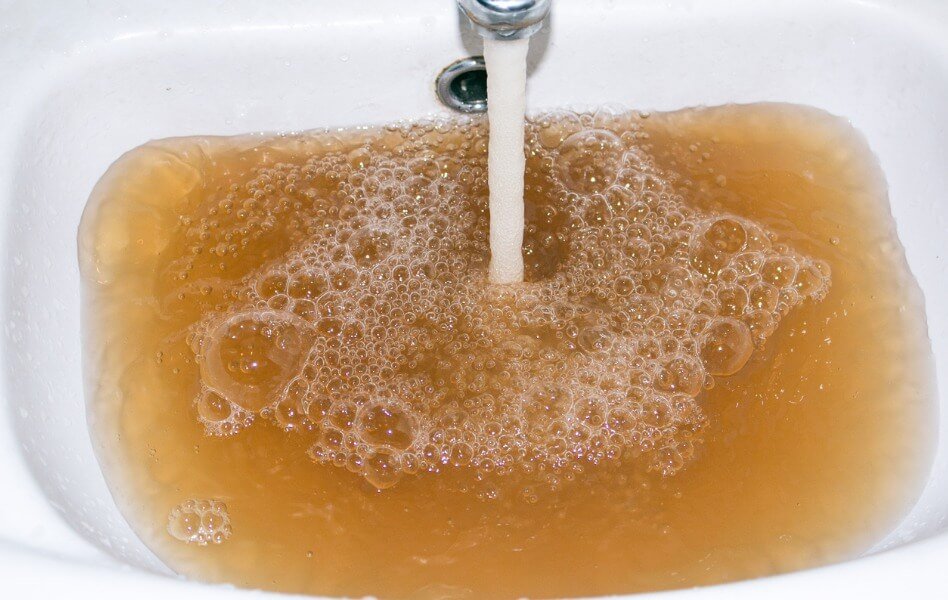
Orange or reddish-brown marks around sinks, toilets, and bathtubs can be frustrating. You scrub the surface, get it looking clean, and then the stain gradually returns. In many cases, iron in the water is responsible, although other minerals and plumbing conditions can produce similar discoloration.
The combination of iron & rust is particularly worth investigating when water leaves orange stains on laundry, creates deposits in fixtures, or develops a metallic taste. Iron may occur naturally in groundwater, while corroding iron or steel pipes can introduce rust particles into the supply.
Manganese can also cause staining, often appearing darker brown or black. The exact appearance depends on the mineral concentration, the surface involved, and other water chemistry factors.
Testing can help distinguish dissolved iron from suspended particles and identify whether manganese or other substances are present. This matters because different forms of iron respond to different treatment methods.
Depending on the test results, treatment may involve oxidation followed by filtration, a specialized iron filter, or another system designed for the water’s chemistry. Ordinary sediment filters can capture some rust particles, but they won’t necessarily remove dissolved iron.
If staining starts suddenly, particularly in a property connected to a municipal supply, contact the water provider to ask whether maintenance or a supply disturbance could be responsible. Persistent discoloration shouldn’t simply be treated as a cleaning problem.
Choosing the Right Water Treatment System
Once you’ve identified the likely issue, choosing equipment becomes much easier. There’s no single filter that solves every water quality problem, and buying a system before testing can lead to disappointing results.
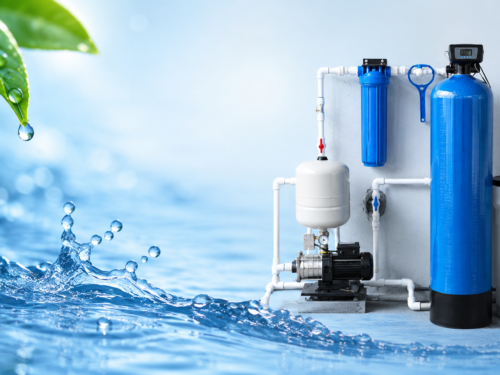
Activated carbon filters can improve taste and odor and reduce certain chemicals, depending on the product’s design and certification. Water softeners address hardness minerals, while specialized iron filters are designed for particular forms and concentrations of iron.
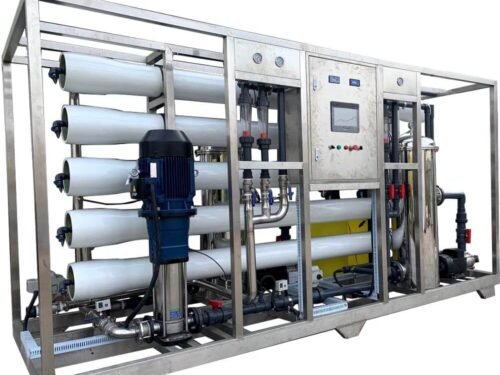
Reverse osmosis systems can reduce many dissolved substances, although their effectiveness varies by contaminant and model. Ultraviolet treatment can inactivate susceptible microorganisms when correctly installed and maintained, but it doesn’t remove dissolved metals or salts.
For households experiencing several problems at once, a combination of treatments may be appropriate. A professional water assessment can help determine the right order of treatment and ensure that each component serves a clear purpose.
When comparing equipment, look for independently certified performance claims, realistic maintenance schedules, and replacement filters that are easy to obtain. A system that fits your water chemistry and household demand is usually more useful than one packed with features you don’t need.
Simple Steps to Prevent Water Problems From Returning
Treatment equipment works best when the rest of the water system receives proper attention. Clean faucet aerators when needed, maintain water heaters according to the manufacturer’s instructions, and replace filters on schedule. These small habits can help maintain performance and make changes easier to spot.
If your property relies on a private well, arrange regular testing based on local guidance and the characteristics of the water source. Testing is especially important after flooding, nearby construction, or other events that could affect groundwater quality.
Pay attention to changes in water pressure, appearance, taste, and odor. A sudden change doesn’t always indicate a health risk, but it can provide an early warning that something deserves investigation.
Better Water Starts With Finding the Cause
Unpleasant odors, mineral deposits, and rust-colored stains are common frustrations, but they shouldn’t all be handled in the same way. Each symptom offers a clue, and the most useful next step is to find out what’s actually happening in your water supply.
Start with careful observation and reliable testing. Then choose treatment that addresses the specific problem, whether that’s excess hardness, dissolved iron, or an odor-producing compound. Keep maintenance in mind, too, because even good equipment needs regular care.
Clean, dependable water isn’t just about how it looks in a glass. It’s also about protecting your plumbing, making everyday cleaning easier, and feeling confident about the water you use. With the right information, you can stop guessing, avoid unnecessary purchases, and make a practical decision that works for your home over the long term.