Your Home Should Feel Like You, Not a Showroom
A lot of people pick a design direction based on what’s popular rather than what actually suits them. Understanding different interior design styles helps, but the real question isn’t “what’s trending” — it’s “what feels like home when I walk in.”
I’ve helped a few friends think through this over the years, and the pattern is pretty consistent: people who choose styles based on genuine preference end up happier with their space long-term than those chasing whatever’s currently popular.
Quick Answer: How Do You Choose the Right Interior Design Style?
Choosing among interior design styles starts with identifying how you actually live day-to-day — your clutter tolerance, color preferences, and whether you gravitate toward warm/cozy or clean/minimal spaces — rather than picking a style purely based on trends or Pinterest boards.
Step 1: Look at What You Already Love
Before researching design styles, look at your current wardrobe, the restaurants you enjoy, the vacation photos you keep coming back to. These preferences often reveal a design direction more honestly than browsing home decor content directly.
Step 2: Understand the Major Interior Design Styles
Minimalist
Clean lines, limited color palette, “less is more.” Suits people who value order and get overwhelmed by visual clutter.
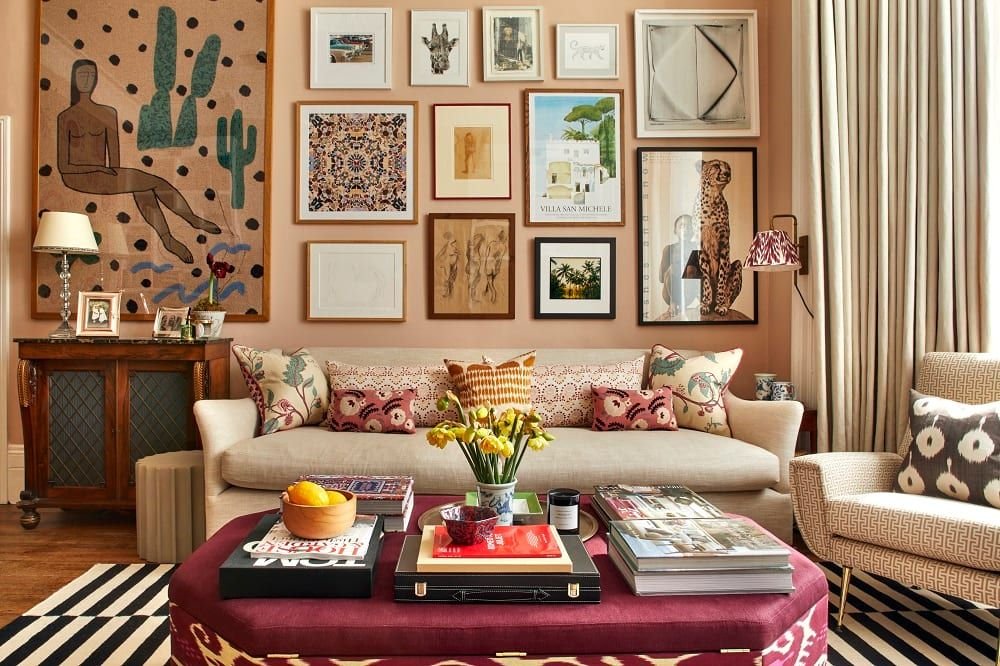
Bohemian
Layered textiles, plants, mixed patterns, warm and eclectic. Suits people who enjoy collecting, travel, and don’t mind a bit of visual busyness.
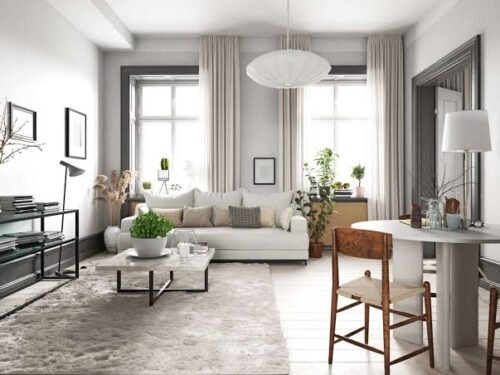
Scandinavian
Light woods, neutral tones, functional simplicity with warmth. A middle ground between minimalist and cozy — popular for good reason, works in most spaces.
Industrial
Exposed brick, metal accents, raw materials, darker palettes. Suits people drawn to an urban, slightly edgy aesthetic.
Traditional/Classic
Rich colors, ornate details, symmetry. Suits people who value formality and timeless elegance over trend-chasing.
Contemporary
Ever-evolving, generally clean lines with occasional bold statement pieces. Suits people who like current trends but want flexibility to update over time.
Featured snippet answer: The main interior design styles include minimalist, bohemian, Scandinavian, industrial, traditional, and contemporary — each reflecting different priorities around clutter tolerance, color use, and formality, making personal lifestyle the best starting point for choosing between them.
Step 3: Consider Your Actual Lifestyle
- Do you entertain often, or is the space mostly for yourself?
- Do you have kids or pets that require more durable, practical choices?
- How much time do you realistically want to spend maintaining a look (bohemian and traditional styles often need more upkeep than minimalist ones)?
Step 4: Mix Styles Rather Than Picking Just One
Very few real homes are 100% one style. Most successful interiors blend two complementary styles — Scandinavian with a touch of bohemian warmth, for instance, or minimalist with a few traditional heirloom pieces mixed in.
Step 5: Test Before Committing Fully
Before buying furniture for a full style overhaul, try smaller changes first — a few accent pieces, a new color palette in cushions and art — to see how it actually feels to live with, not just how it looks in a photo.
Common Mistakes When Choosing a Design Style
- Copying a style exactly from Pinterest without adapting it to your actual space and climate
- Choosing based purely on what’s trending rather than personal comfort
- Ignoring practical needs (durability, maintenance) in favor of pure aesthetics
- Committing fully to an expensive style overhaul without testing smaller elements first
A Real Example
A friend spent months agonizing over whether to go minimalist or bohemian, worried about “getting it wrong.” She eventually realized her actual lifestyle — plant-loving, loves color, doesn’t mind some visual clutter — pointed clearly toward bohemian, despite minimalist being more trendy at the time. Her home feels genuinely like her now, which matters more than following what’s popular.
FAQs
Q: Can I mix multiple interior design styles in one home? Yes, and it’s actually the more common real-world approach — most well-designed homes blend two or more complementary styles rather than strictly following one.
Q: How do I know if a design style will still suit me in a few years? Styles rooted in genuine personal preference (rather than pure trend-following) tend to have more staying power and satisfaction long-term.
Q: Is it expensive to fully commit to a specific interior design style? It can be, especially for styles requiring specific furniture types. Start with smaller elements — color, textiles, accessories — before larger furniture investments.
Q: What if different family members prefer different design styles? Look for overlap between preferred styles (most combinations have some shared elements) and negotiate the specifics room by room if needed.
Q: Should design style choice depend on the size of my home? Somewhat — bohemian and traditional styles with heavier furniture and layering can feel busier in small spaces, while minimalist and Scandinavian styles tend to suit compact homes more naturally.
Final Thoughts
Choosing among interior design styles isn’t really about picking the “correct” trendy option — it’s about identifying what genuinely feels comfortable and reflects how you actually live. Start by noticing what you’re already drawn to in daily life, test smaller changes before committing fully, and don’t be afraid to blend styles rather than picking just one.
Suggested image alt text: “Scandinavian interior design style living room”, “bohemian style home decor plants textiles”, “choosing interior design style guide”