Not Every Trend Is Worth Following — But Some Are
Trend pieces can feel a bit disposable, honestly, chasing whatever’s currently popular on Instagram. But some interior design trends 2026 are genuinely rooted in practical shifts — how people are actually living, working from home more, prioritizing comfort over showiness.
I’ve noticed the trends that stick around longer are usually the ones addressing real needs, not just aesthetics. That’s the lens I’d use before adopting any of these into your own home.
Quick Answer: What Are the Top Interior Design Trends for 2026?
The leading interior design trends 2026 include warm minimalism, curved furniture silhouettes, nature-inspired textures, multi-functional home office spaces, and a move away from stark all-white interiors toward warmer, earthier tones.
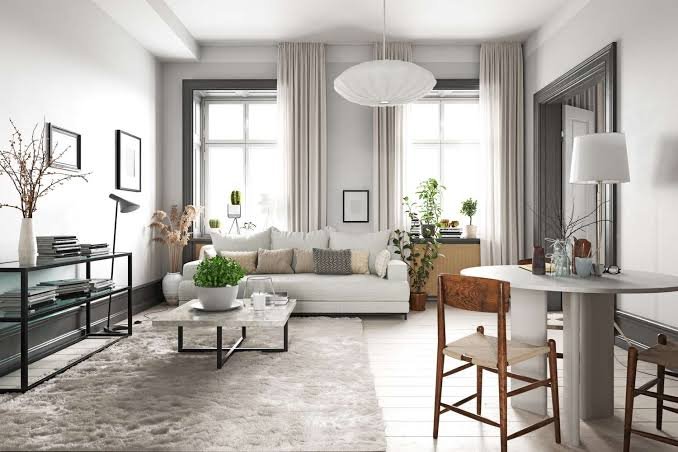
1. Warm Minimalism
Pure minimalism (think stark white, empty rooms) is softening into something cozier — still clean and uncluttered, but with warmer tones, natural textures, and a few personal touches that stop it from feeling sterile.
2. Curved Furniture
Sharp angles are giving way to softer, rounded silhouettes in sofas, tables, and even architectural details like arched doorways. It’s a noticeably softer visual language than the boxy minimalism of recent years.
Featured snippet answer: Curved furniture is one of the standout interior design trends 2026, with rounded sofas, arched mirrors, and softly shaped tables replacing the sharp, angular silhouettes that dominated minimalist design in previous years.
3. Nature-Inspired Textures
Rattan, jute, unfinished wood, and organic stone finishes are showing up more across furniture and accessories. There’s a clear pull toward materials that feel tactile and less manufactured.
4. Earthy, Warmer Color Palettes
Terracotta, olive, warm browns, and muted rust tones are replacing the cooler greys that dominated interiors for the past several years. Even neutral-lovers are shifting toward warmer whites and beiges rather than stark cool tones.
5. Multi-Functional Home Offices
With hybrid work sticking around, home offices are being designed as genuinely integrated parts of the home rather than an afterthought corner with a desk shoved in. Think fold-away desks, office nooks within living rooms, and furniture that serves double duty.
6. Statement Ceilings
Walls have had all the attention for years — ceilings are finally getting some too. Textured finishes, bold paint colors, or exposed beam details are becoming a genuine design focal point rather than an ignored surface.
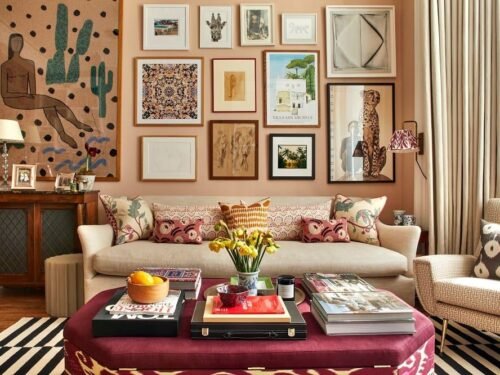
7. Vintage and Antique Mixing
Rather than fully matching furniture sets, more homes are blending vintage or antique pieces with modern items — creates a lived-in, collected-over-time feel rather than a showroom-fresh look.
8. Sustainable and Local Materials
There’s growing interest in locally sourced, sustainable materials — partly environmental consciousness, partly a reaction against fast furniture that doesn’t last. Handcrafted and artisanal pieces are seeing renewed appreciation.
9. Bold, Layered Textiles
Mixing patterns and textures in cushions, throws, and rugs — done thoughtfully rather than randomly — is replacing the more matched, coordinated textile approach of recent years.
10. Biophilic Design Elements
Bringing nature indoors goes beyond just adding plants now — think living walls, natural light optimization, and layouts that create a genuine connection to outdoor views and greenery.
Which Trends Are Actually Worth Adopting?
Not every trend suits every home or budget. Warm minimalism and earthy color palettes are relatively easy, low-cost shifts through paint and textiles. Curved furniture and statement ceilings require more investment and commitment — worth considering only if they genuinely resonate with your taste, not just because they’re trending.
A Quick Reality Check
I’ve noticed trend-chasing for its own sake tends to age poorly — the homes that look good years later are usually the ones where trends were adopted selectively, blended with the homeowner’s actual personality, not followed wholesale.
FAQs
Q: Are 2026 interior design trends only relevant for new homes? Not at all — many trends, like warmer color palettes or textile updates, can be incorporated into existing homes without major renovation.
Q: Is warm minimalism different from regular minimalism? Yes — it keeps the clean, uncluttered principles of minimalism but adds warmth through natural materials, textures, and softer color choices instead of stark whites and greys.
Q: How can I incorporate interior design trends 2026 on a budget? Focus on the cheapest entry points — paint colors, cushion covers, and a few accessory swaps — rather than furniture replacement.
Q: Will these trends still be relevant in a few years? Some, like warm minimalism and nature-inspired materials, seem to have staying power. Highly specific trends (very particular furniture shapes) tend to have a shorter shelf life.
Q: Should I fully commit to one design trend throughout my home? Generally not recommended — blending elements you genuinely like across a couple of trends creates a more personal, timeless result than a rigid single-trend approach.
Final Thoughts
The interior design trends 2026 worth paying attention to are the ones that solve real problems or genuinely suit how you live — not just what’s currently popular online. Pick a few elements that resonate, blend them with your existing style, and skip the rest without guilt.
Suggested image alt text: “warm minimalism interior design 2026”, “curved furniture living room trend”, “earthy color palette interior design”