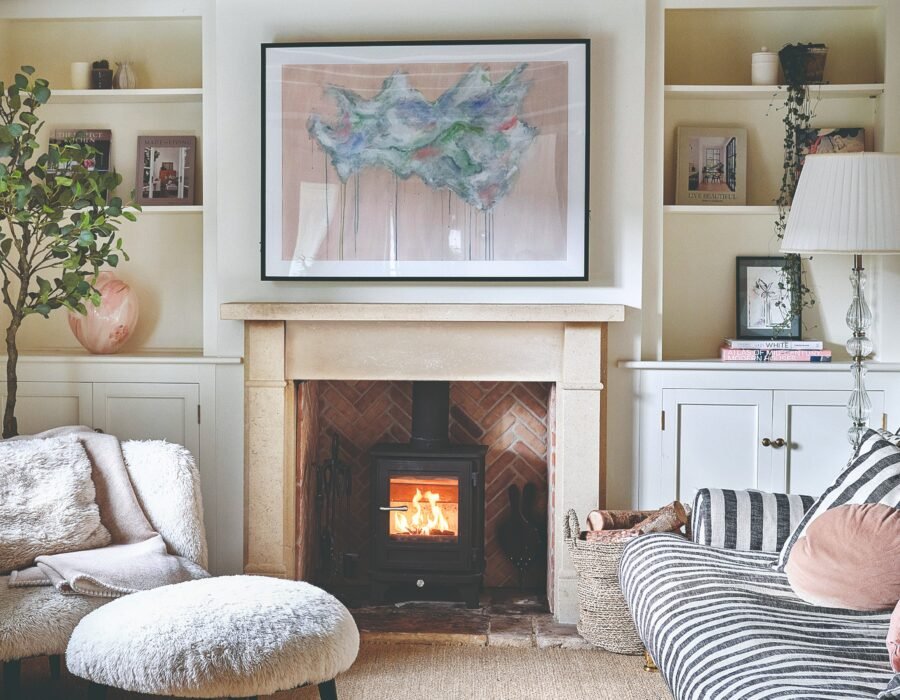
Category: Decorating

  • A Beautiful Home Doesn’t Require a Big Budget

    A Beautiful Home Doesn’t Require a Big Budget

    There’s a persistent myth that good design costs a lot of money. Genuinely, some of the best-looking homes I’ve seen belong to people who mastered budget home decorating through resourcefulness, not big spending.

    I’ve decorated on a shoestring budget more than once, and honestly, the constraint often pushed me toward more creative, personal choices than I’d have made with unlimited funds.

    Quick Answer: How Can You Decorate on a Tight Budget?

    Effective budget home decorating relies on repurposing existing furniture, shopping secondhand, prioritizing a few statement pieces over many small purchases, and using paint and textiles as the primary tools for transformation — all significantly cheaper than buying new furniture.

    1. Paint First, Buy Later

    Before purchasing anything new, see how much a fresh coat of paint changes the room. It’s genuinely the cheapest transformation available, often making new furniture purchases unnecessary altogether.

    2. Shop Secondhand and Thrift

    Facebook Marketplace, OLX, and local secondhand furniture shops often have genuinely good pieces at a fraction of retail price. Solid wood furniture especially holds up well secondhand — often better quality than cheap new alternatives.

    3. Rearrange Before You Buy

    Sometimes the “problem” with a room isn’t a lack of furniture — it’s the arrangement. Try rearranging existing pieces before assuming you need something new.

    Featured snippet answer: Rearranging existing furniture is one of the most overlooked budget home decorating tips — simply changing a room’s layout can solve spacing and flow issues that people often assume require new purchases to fix.

    4. Invest in a Few Statement Pieces, Skip the Rest

    Rather than spreading a budget thin across many small items, put more money into one or two pieces that genuinely matter — a good sofa, a striking light fixture — and keep everything else simple and affordable.

    5. Use Textiles to Transform a Room

    Cushion covers, curtains, and throws are relatively cheap and dramatically change a room’s feel. Swapping these seasonally is far more affordable than swapping furniture.

    6. DIY Simple Decor Pieces

    • Frame fabric scraps or old sarees as wall art
    • Repaint old furniture instead of replacing it
    • Make your own planters from repurposed containers
    • Create a gallery wall with printed photos in mismatched frames

    7. Shop End-of-Season Sales

    Furniture and decor stores often discount significantly during end-of-season clearances. Planning purchases around these sales (rather than buying on impulse at full price) can save 30-50%.

    8. Add Plants Instead of Expensive Decor

    A few well-placed plants add genuine warmth and life to a room for relatively little cost compared to art or decorative objects — and they keep “growing” in value, quite literally.

    [link to related guide on small space decorating ideas here]

    9. Focus on Lighting Over Furniture

    A few well-chosen lamps can transform a room’s mood more effectively than new furniture, and lighting is generally cheaper than seating or storage pieces.

    10. Don’t Underestimate Decluttering

    This costs nothing and instantly makes any budget decor look more intentional. A clutter-free room, even with modest furniture, reads as more put-together than a cluttered room with expensive pieces.

    A Realistic Budget Breakdown

    For a full living room refresh under ₹15,000:

    • Paint (one accent wall): ₹1,500
    • New cushion covers and throw: ₹2,000
    • Secondhand side table: ₹2,500
    • A few plants and pots: ₹1,500
    • New lamp: ₹2,500
    • Wall art/DIY decor: ₹1,000

    Leaves room for a bigger splurge item if something catches your eye during sales.

    A Real Example

    A friend furnished her entire first apartment almost exclusively through secondhand finds and a lot of DIY painting, spending under ₹25,000 total. Guests regularly assume she spent significantly more — proof that resourcefulness beats budget size for actual visual impact.

    FAQs

    Q: What’s the cheapest way to instantly refresh a room? Paint, hands down — it’s the highest-impact, lowest-cost change available for any budget decorating project.

    Q: Is secondhand furniture actually good quality? Often yes, especially solid wood pieces from a decade or more ago, which frequently outlasts cheaper new furniture.

    Q: How can I make a rented apartment look decorated without permanent changes? Removable decor — rugs, curtains, wall decals, plants, and furniture arrangement — works well without violating rental terms.

    Q: Should I buy cheap furniture or save for better quality pieces? For high-use items like sofas, saving for better quality pays off long-term. For accent pieces, budget options are perfectly reasonable.

    Q: How often should I refresh my home decor on a budget? Small textile and accessory swaps every season keep things feeling fresh without needing a full redecoration.

    Final Thoughts

    Budget home decorating really comes down to prioritizing — spend on the few things that matter most, get creative with the rest, and don’t underestimate what paint, rearranging, and decluttering can do for free or nearly free. A tight budget forces better decisions more often than it limits good design.

    Suggested image alt text: “budget home decorating secondhand furniture”, “DIY wall art budget decorating”, “affordable living room decor makeover”
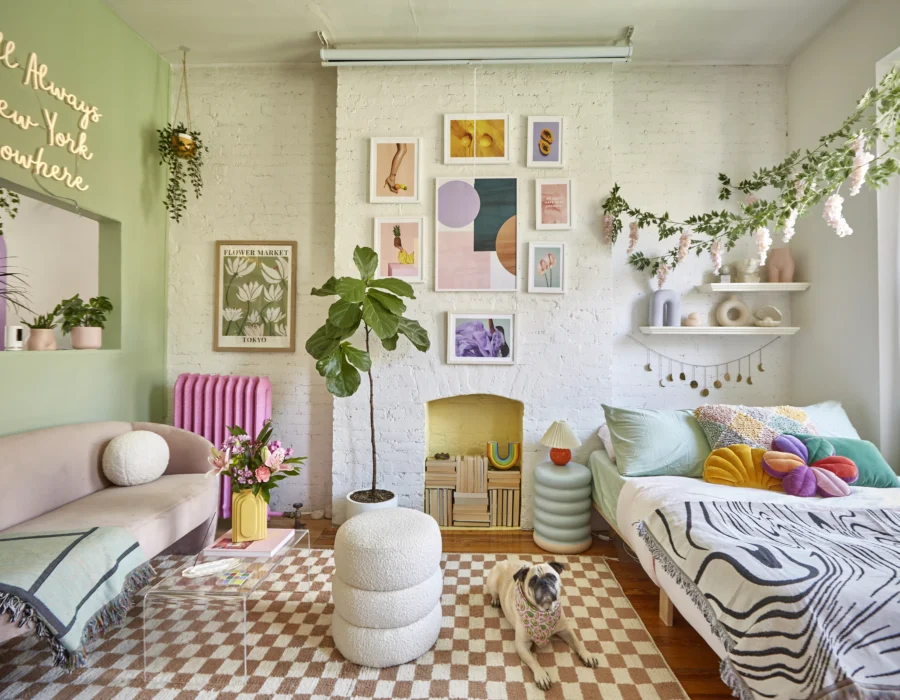
  • Small Doesn’t Have to Mean Cramped

    Small Doesn’t Have to Mean Cramped

    A lot of small space decorating ideas focus purely on storage hacks — fine, but incomplete. Real small-space decorating is about making the room feel intentional, not just functional.

    I lived in a genuinely tiny one-bedroom apartment for a couple of years and learned this mostly through trial and error. The apartments that feel good to be in aren’t necessarily the ones with the most clever storage — they’re the ones where every piece earns its place.

    Quick Answer: What Are the Best Small Space Decorating Ideas?

    The most effective small space decorating ideas use multi-functional furniture, vertical storage, mirrors to enhance light, and a limited color palette — these strategies create visual openness without requiring any additional square footage.

    1. Go Vertical With Storage

    Floor space is precious in small homes, but wall space is usually underused. Tall bookshelves, wall-mounted cabinets, and hanging organizers free up floor area while adding real storage capacity.

    2. Choose Multi-Functional Furniture

    • A bed with built-in drawer storage underneath
    • A coffee table that doubles as storage
    • An ottoman that opens up for extra blanket storage
    • Extendable dining tables for occasional guests

    3. Use Mirrors Strategically

    A well-placed mirror reflects light and visually doubles the sense of space. Position one opposite a window for maximum effect, not just anywhere on a wall.

    Featured snippet answer: Placing a large mirror opposite a window is one of the most effective small space decorating ideas because it reflects natural light back into the room, making it feel noticeably brighter and more open than the actual square footage.

    4. Stick to a Limited Color Palette

    Too many colors in a small space create visual clutter, even if the actual physical clutter is minimal. Pick 2-3 main colors and stay consistent across furniture and decor.

    5. Let Furniture Legs Show

    Furniture with visible legs (rather than pieces that sit flush to the floor) creates a sense of openness underneath — the eye reads more visible floor, which reads as more space overall.

    6. Use Curtains and Rugs to Define Zones

    In studio apartments especially, a rug or curtain can visually separate a “living area” from a “sleeping area” without needing an actual wall or partition.

    7. Don’t Skip Window Treatments

    Curtains hung higher than the actual window frame (close to the ceiling) create an illusion of taller ceilings and a larger room overall — a genuinely simple trick that works surprisingly well.

    8. Declutter Ruthlessly

    This isn’t glamorous decorating advice, but it’s foundational. No amount of clever furniture arrangement compensates for too much stuff crammed into limited space.

    • Keep countertops mostly clear
    • Store out-of-season items elsewhere if possible
    • Follow a rough “one in, one out” rule for new purchases

    [link to related guide on budget home decorating here]

    9. Add Depth With Layered Lighting

    A single overhead light flattens a small room. Layer in a floor lamp, a table lamp, maybe some under-shelf lighting — creates dimension and warmth that a single light source can’t achieve.

    10. Scale Furniture Appropriately

    Oversized furniture is probably the single most common small-space mistake. A large sofa might look great in a showroom, but it can dominate and shrink a compact living room considerably.

    A Real Example

    My old apartment had a genuinely awkward L-shaped living-dining space. Adding a large mirror on one wall and switching to a smaller-scale sofa (instead of the bulky one I’d initially bought) transformed how the whole space felt — same square footage, completely different feel.

    FAQs

    Q: Do small spaces need lighter colors to feel bigger? Generally yes, though a well-executed darker color scheme with good lighting can still work — light colors are simply the safer, more reliable choice.

    Q: What’s the biggest small space decorating mistake? Oversized furniture that doesn’t match the room’s actual scale — this shrinks the perceived space more than almost anything else.

    Q: Are area rugs a good idea in small rooms? Yes, particularly for zoning open-plan small spaces, though choosing one large enough to anchor furniture (rather than a tiny rug) matters for the room to feel cohesive.

    Q: How do I add storage without making a small room feel cluttered? Prioritize vertical and hidden storage (under-bed, ottoman storage) over visible shelving units wherever possible.

    Q: Should I avoid patterns in small space decorating? Not entirely — small-scale, subtle patterns work fine. Large, bold patterns can feel overwhelming in a compact room.

    Final Thoughts

    Good small space decorating ideas aren’t really about tricks or hacks — they’re about being intentional with every piece and color choice since there’s less room for anything that doesn’t earn its place. Start with decluttering, then layer in lighting, mirrors, and appropriately scaled furniture from there.

    Suggested image alt text: “small space decorating vertical storage”, “mirror small living room natural light”, “multi-functional furniture small apartment”