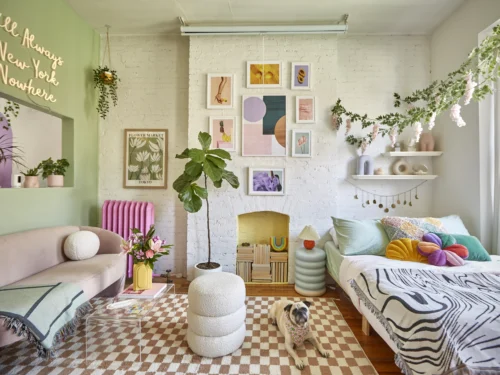
A Beautiful Home Doesn’t Require a Big Budget
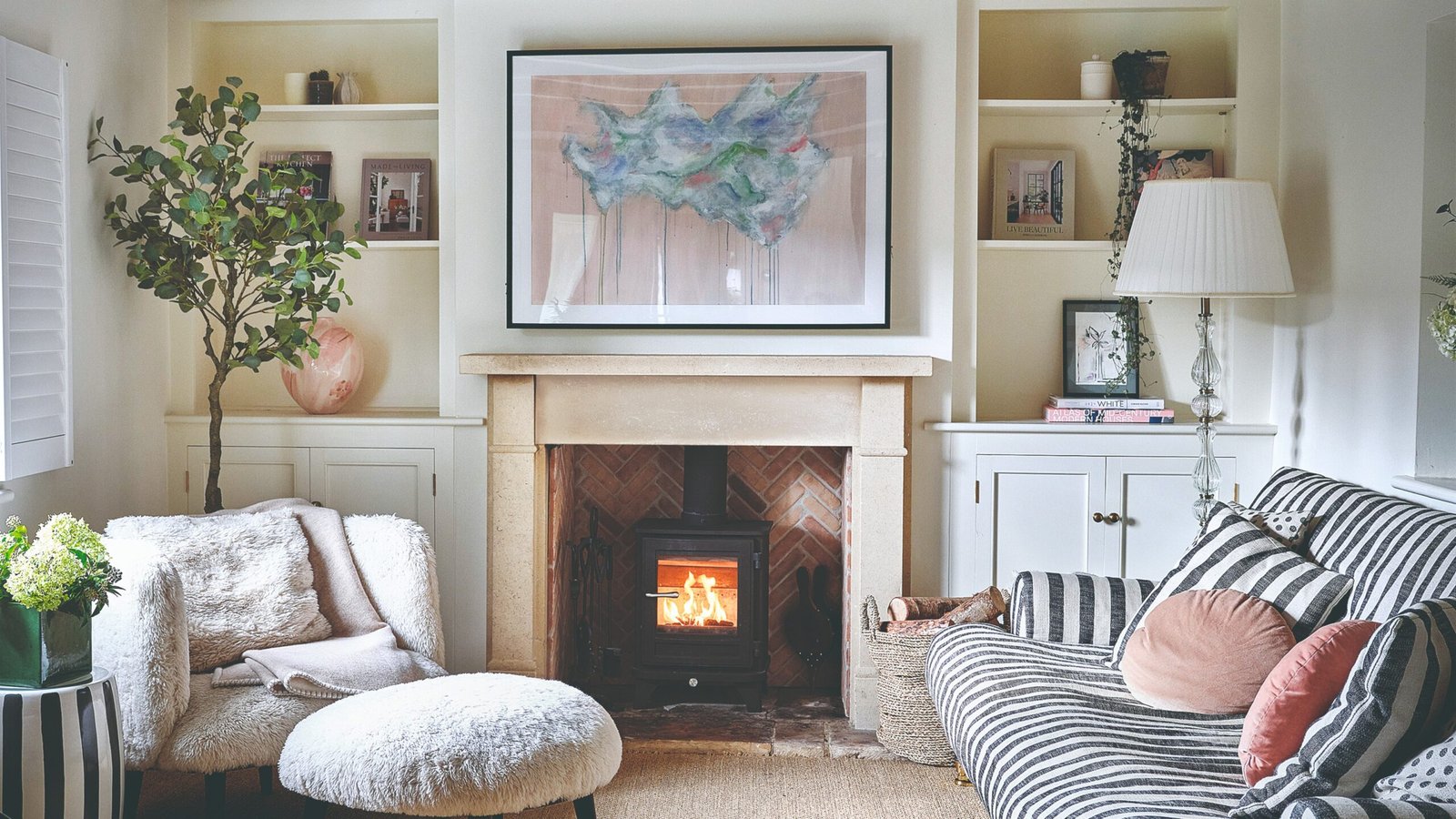
There’s a persistent myth that good design costs a lot of money. Genuinely, some of the best-looking homes I’ve seen belong to people who mastered budget home decorating through resourcefulness, not big spending.
I’ve decorated on a shoestring budget more than once, and honestly, the constraint often pushed me toward more creative, personal choices than I’d have made with unlimited funds.
Quick Answer: How Can You Decorate on a Tight Budget?
Effective budget home decorating relies on repurposing existing furniture, shopping secondhand, prioritizing a few statement pieces over many small purchases, and using paint and textiles as the primary tools for transformation — all significantly cheaper than buying new furniture.
1. Paint First, Buy Later
Before purchasing anything new, see how much a fresh coat of paint changes the room. It’s genuinely the cheapest transformation available, often making new furniture purchases unnecessary altogether.
2. Shop Secondhand and Thrift
Facebook Marketplace, OLX, and local secondhand furniture shops often have genuinely good pieces at a fraction of retail price. Solid wood furniture especially holds up well secondhand — often better quality than cheap new alternatives.
3. Rearrange Before You Buy
Sometimes the “problem” with a room isn’t a lack of furniture — it’s the arrangement. Try rearranging existing pieces before assuming you need something new.
Featured snippet answer: Rearranging existing furniture is one of the most overlooked budget home decorating tips — simply changing a room’s layout can solve spacing and flow issues that people often assume require new purchases to fix.
4. Invest in a Few Statement Pieces, Skip the Rest
Rather than spreading a budget thin across many small items, put more money into one or two pieces that genuinely matter — a good sofa, a striking light fixture — and keep everything else simple and affordable.
5. Use Textiles to Transform a Room
Cushion covers, curtains, and throws are relatively cheap and dramatically change a room’s feel. Swapping these seasonally is far more affordable than swapping furniture.
6. DIY Simple Decor Pieces
- Frame fabric scraps or old sarees as wall art
- Repaint old furniture instead of replacing it
- Make your own planters from repurposed containers
- Create a gallery wall with printed photos in mismatched frames
7. Shop End-of-Season Sales
Furniture and decor stores often discount significantly during end-of-season clearances. Planning purchases around these sales (rather than buying on impulse at full price) can save 30-50%.
8. Add Plants Instead of Expensive Decor
A few well-placed plants add genuine warmth and life to a room for relatively little cost compared to art or decorative objects — and they keep “growing” in value, quite literally.
9. Focus on Lighting Over Furniture
A few well-chosen lamps can transform a room’s mood more effectively than new furniture, and lighting is generally cheaper than seating or storage pieces.
10. Don’t Underestimate Decluttering
This costs nothing and instantly makes any budget decor look more intentional. A clutter-free room, even with modest furniture, reads as more put-together than a cluttered room with expensive pieces.
A Realistic Budget Breakdown
For a full living room refresh under ₹15,000:
- Paint (one accent wall): ₹1,500
- New cushion covers and throw: ₹2,000
- Secondhand side table: ₹2,500
- A few plants and pots: ₹1,500
- New lamp: ₹2,500
- Wall art/DIY decor: ₹1,000
Leaves room for a bigger splurge item if something catches your eye during sales.
A Real Example
A friend furnished her entire first apartment almost exclusively through secondhand finds and a lot of DIY painting, spending under ₹25,000 total. Guests regularly assume she spent significantly more — proof that resourcefulness beats budget size for actual visual impact.
FAQs
Q: What’s the cheapest way to instantly refresh a room? Paint, hands down — it’s the highest-impact, lowest-cost change available for any budget decorating project.
Q: Is secondhand furniture actually good quality? Often yes, especially solid wood pieces from a decade or more ago, which frequently outlasts cheaper new furniture.
Q: How can I make a rented apartment look decorated without permanent changes? Removable decor — rugs, curtains, wall decals, plants, and furniture arrangement — works well without violating rental terms.
Q: Should I buy cheap furniture or save for better quality pieces? For high-use items like sofas, saving for better quality pays off long-term. For accent pieces, budget options are perfectly reasonable.
Q: How often should I refresh my home decor on a budget? Small textile and accessory swaps every season keep things feeling fresh without needing a full redecoration.
Final Thoughts
Budget home decorating really comes down to prioritizing — spend on the few things that matter most, get creative with the rest, and don’t underestimate what paint, rearranging, and decluttering can do for free or nearly free. A tight budget forces better decisions more often than it limits good design.
Suggested image alt text: “budget home decorating secondhand furniture”, “DIY wall art budget decorating”, “affordable living room decor makeover”