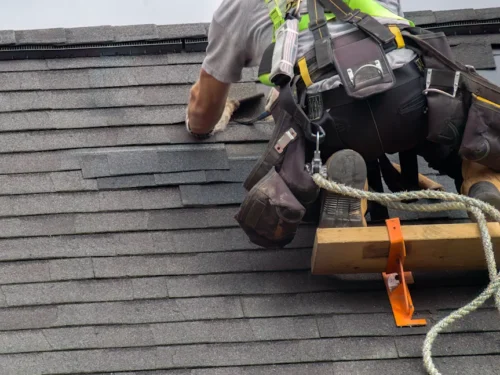
Roofs Fail Quietly Until They Don’t
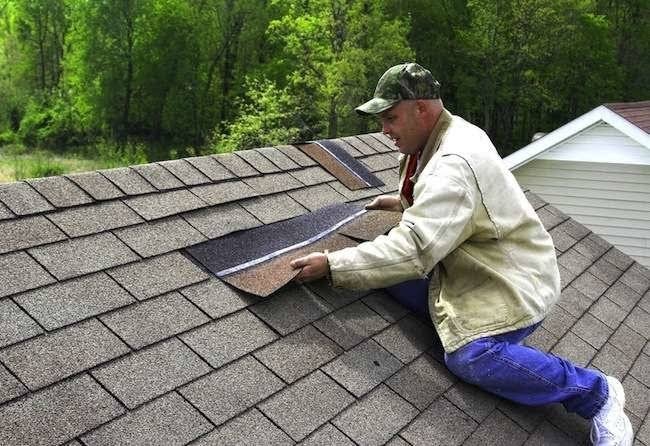
That’s the tricky part about knowing when you need a new roof. Small signs you need a new roof often go unnoticed for months, sometimes years, until suddenly there’s water coming through the ceiling during monsoon.
I’ve seen homeowners delay roof repairs simply because the damage wasn’t visible from inside the house. By the time it becomes obvious, the repair bill has usually grown considerably.
Quick Answer: What Are the Clearest Signs You Need a New Roof?
The clearest signs you need a new roof are visible water stains on ceilings, cracked or missing roof tiles, sagging roof sections, and a roof age exceeding 20-25 years — any of these warrants a professional inspection before the next monsoon season.
1. Water Stains on the Ceiling
Brownish or yellowish patches on your ceiling are one of the most obvious warning signs. Even small stains indicate water is getting through somewhere, and the actual entry point is often far from where the stain appears.
2. Sagging Roof Sections
Any visible dip or sag in the roofline signals structural weakening, usually from prolonged water damage to the underlying support. This isn’t a wait-and-see situation — get it inspected immediately.
3. Cracked, Curling, or Missing Tiles
Individual damaged tiles can often be repaired. But widespread cracking or curling across the roof usually means the underlying material has aged past its useful life.
4. Roof Age
Most roofing materials have a realistic lifespan:
- Concrete/RCC roofs: 30-50 years with proper maintenance
- Asbestos sheets: 15-20 years
- Metal roofing: 20-40 years depending on material quality
- Clay tiles: 20-30 years
If your roof is approaching or past its expected lifespan, replacement planning should start even before obvious damage appears.
5. Increasing Energy Bills
A failing roof often means poor insulation, making your AC or heating work harder than it should. If your energy bills have crept up without an obvious cause, the roof is worth checking.
Featured snippet answer: Rising energy bills combined with an aging roof often indicate deteriorating insulation or ventilation, meaning your cooling or heating system is working overtime to compensate — a sign worth investigating alongside visible roof damage.
6. Moss or Algae Growth
Some moss is cosmetic, but heavy growth traps moisture against roofing material, accelerating deterioration. Worth monitoring, especially in shaded or persistently damp areas.
7. Visible Light Through the Roof (in Attics/Terrace Access Areas)
If you can see daylight through gaps from inside a terrace access room or attic space, water can get through just as easily.
8. Frequent, Recurring Leaks
If you’ve patched the same leak more than twice, that’s usually a sign the underlying roof material has broadly deteriorated, not just failed in one isolated spot.
Repair vs Replace: How to Decide
- Repair if: damage is isolated to a small area, roof is under 15 years old, and it’s the first issue of its kind
- Replace if: damage is widespread, roof is approaching its expected lifespan, or you’ve had multiple recurring leak issues
A Real Example
A homeowner I spoke with kept patching the same corner of her roof for three monsoon seasons in a row, spending roughly ₹8,000 total on temporary fixes. A proper assessment eventually revealed the underlying structure needed a full section replacement — something that would’ve cost less overall if addressed after the first leak instead of the third.
FAQs
Q: How often should I get my roof inspected? At least once a year, ideally before monsoon season, even if there are no obvious issues.
Q: Can I inspect my own roof for damage? Basic visual checks from the ground or a safe vantage point are fine, but a professional inspection catches issues that aren’t visible from below.
Q: How long does a roof replacement typically take? For an average home, 1-3 weeks depending on roof size and material, weather permitting.
Q: Is roof replacement covered by home insurance in India? Sometimes, particularly for storm or structural damage — check your specific policy terms, as coverage varies significantly.
Q: What’s the cheapest sign of roof trouble to fix? Small tile cracks caught early are the cheapest fix — this is exactly why regular inspection matters so much.
Final Thoughts
Catching signs you need a new roof early genuinely saves money and stress. Don’t wait for an obvious leak during monsoon to take action — a yearly inspection habit catches most issues while they’re still small, manageable repairs rather than full replacements.
Suggested image alt text: “cracked roof tiles needing replacement”, “ceiling water stain roof leak sign”, “roof inspection checking for damage”