Color Choice Matters More in Small Rooms Than Big Ones
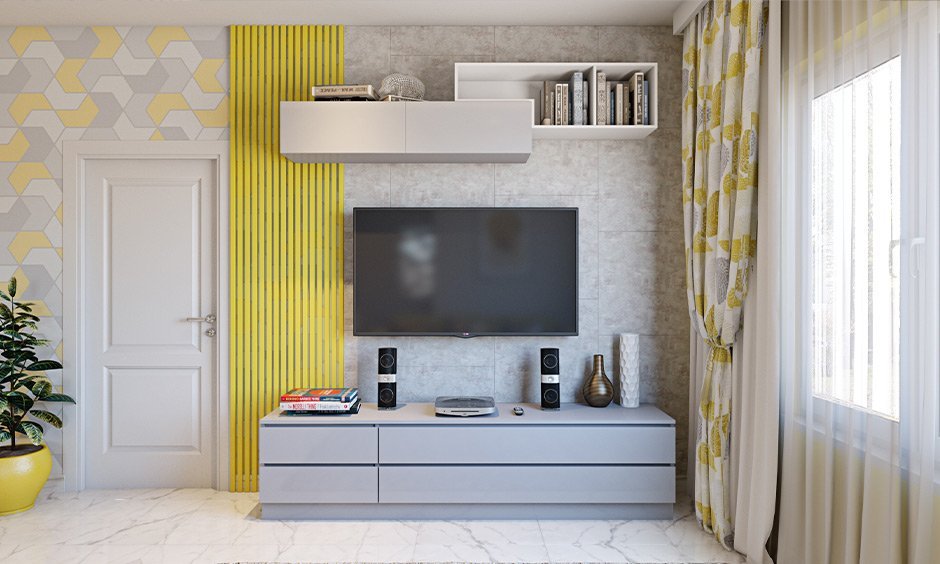
In a large living room, a bold dark color can look intentional and dramatic. In a small room, the wrong choice can make the space feel like it’s closing in on you. Picking the best interior paint colors for a compact living room is really about light, not just personal taste.
I repainted a small living room a deep navy once, mostly because I loved the color in the store. Looked moody and cramped within the week. Lesson learned the hard way.
Quick Answer: What Are the Best Interior Paint Colors for Small Rooms?
The best interior paint colors for small living rooms are soft neutrals, warm whites, light greys, and pale pastels — these reflect more light and visually push walls outward, making the space feel larger than it actually is.
1. Warm White
Not stark hospital-white, but a warm off-white with slight cream undertones. Reflects light beautifully and works with almost any furniture style.
2. Soft Grey
A light, warm-toned grey feels modern without being cold. Works especially well paired with wooden furniture, which is common in Indian homes.
3. Pale Sage Green
Understated and calming, sage green has become genuinely popular in recent years for good reason — it’s neutral enough to feel sophisticated but has just enough color to avoid feeling sterile.
4. Blush Pink (Muted, Not Bright)
A dusty, muted pink — not a bright bubblegum shade — adds warmth without overwhelming a small space. Surprisingly versatile with both wood and metal accents.
5. Light Blue-Grey
Cool tones like a soft blue-grey create a calm, airy feeling, especially effective in rooms with limited natural light.
6. Soft Beige
A safe, timeless choice that pairs with almost any decor style. Beige has a reputation for being boring, but a warm-toned beige actually adds real depth to a small space.
Featured snippet answer: Soft beige remains one of the best interior paint colors for small living rooms because it creates a neutral, warm backdrop that works with any furniture color while still reflecting enough light to keep the room feeling open.
7. Muted Terracotta
For those wanting some warmth and personality, a muted, dusty terracotta works better than bright orange — it adds character without visually shrinking the room the way a saturated color can.
8. Pale Yellow
A soft, buttery yellow (not bright lemon) brings warmth and brightness, especially useful in rooms lacking natural sunlight.
9. Off-White With Warm Undertones
Slightly different from pure warm white — this has a bit more beige mixed in, giving a cozier, less clinical feel.
10. Light Sage-Grey Blend
A crossover shade between grey and green, this has become a favorite among interior designers for its versatility across different lighting conditions throughout the day.
Tips for Making Small Rooms Feel Bigger With Paint
- Use the same color on walls and ceiling to remove visual breaks
- Avoid high-contrast trim colors that “cut” the room visually
- Go with a matte or eggshell finish rather than glossy, which can highlight wall imperfections
- Test paint colors in the actual room at different times of day before committing
Colors to Avoid in Small Living Rooms
- Deep, saturated darks (navy, charcoal, forest green) unless the room has excellent natural light
- Very bright, high-saturation colors that dominate visually
- Multiple accent walls in different colors — creates visual chaos in limited square footage
FAQs
Q: Do light colors really make a room look bigger? Yes, to a genuine degree — light colors reflect more natural and artificial light, reducing visual shadows that make spaces feel boxed in.
Q: Can I use a dark accent wall in a small living room? It’s possible if the room gets strong natural light, but it’s a riskier choice than sticking with an all-light-color scheme.
Q: What paint finish works best for small living rooms? Matte or eggshell finishes generally look better than glossy, since gloss highlights every wall imperfection.
Q: How many paint colors should I use in a small living room? Ideally one main wall color, with color introduced through furniture and decor instead of multiple wall colors.
Q: Does ceiling color affect how big a room feels? Yes significantly — painting the ceiling the same color as the walls removes a visual “cap” and makes the room feel taller and more open.
Final Thoughts
Choosing the best interior paint colors for a small living room comes down to working with light, not against it. Stick with soft, warm neutrals as your base, and add personality through furniture and accessories rather than bold wall colors. Small changes in shade genuinely make a big visual difference in tight spaces.
Suggested image alt text: “small living room warm white paint”, “sage green living room wall color”, “small space paint color palette”