Everyone Overthinks Their First Vegetable Garden
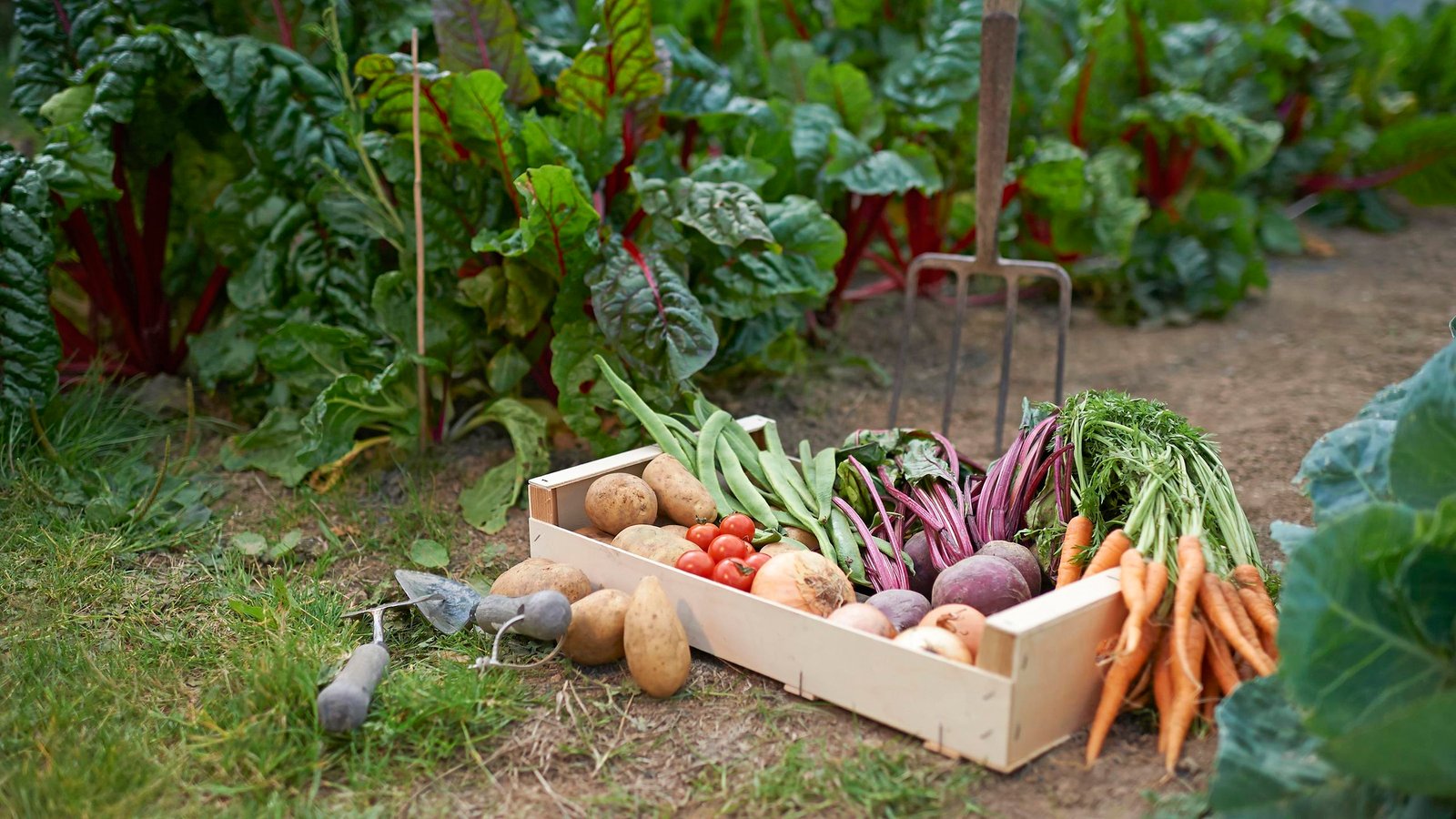
I get it — soil pH, companion planting, drainage angles. It sounds like a lot before you’ve even planted a single seed. But starting a vegetable garden is genuinely more forgiving than most beginner guides make it sound.
My first attempt was three pots on a balcony and a lot of guesswork. Half of it failed. The half that worked, though, got me hooked enough to keep going. That’s really the honest starting point for most people.
This guide skips the overwhelming stuff and focuses on what actually matters for your first season.
Quick Answer: What Do You Need to Start a Vegetable Garden?
Starting a vegetable garden requires just four basics: decent sunlight (at least 5-6 hours), good quality soil or potting mix, a consistent watering routine, and easy beginner vegetables like tomatoes, spinach, or chillies. No large yard is needed — containers work fine.
Step 1: Pick the Right Spot
Sunlight matters more than space. A small balcony with 6 hours of direct sun beats a large shaded yard every time. South or east-facing spots usually work best in most Indian cities.
Step 2: Choose Beginner-Friendly Vegetables
Skip the ambitious stuff for your first season. Start with:
- Tomatoes (forgiving and productive)
- Spinach and other leafy greens (fast-growing, great for confidence)
- Chillies (low maintenance once established)
- Radishes (ready in under a month — good for impatient beginners)
- Coriander (grows almost anywhere, reseeds easily)
Step 3: Get the Soil Right
Regular garden soil often isn’t ideal for containers — it compacts and drains poorly. A mix of garden soil, compost, and cocopeat (roughly equal parts) works well for most home setups.
Featured snippet answer: The ideal soil mix for starting a vegetable garden in containers is one part garden soil, one part compost, and one part cocopeat or sand — this combination retains moisture while still draining well.
Step 4: Containers vs Ground Planting
If you don’t have a yard, containers work fine for almost everything except deep-rooted vegetables like carrots. Use pots at least 10-12 inches deep for tomatoes and chillies.
Step 5: Watering — The Part Most Beginners Get Wrong
Overwatering kills more beginner gardens than underwatering does. Check soil moisture with a finger before watering — if the top inch feels dry, water; if it’s still damp, wait.
- Water early morning or evening, not midday
- Ensure pots have drainage holes — non-negotiable
- Reduce watering frequency during monsoon
Step 6: Dealing With Pests Naturally
Neem oil spray handles most common pest issues without harsh chemicals. Mix a few drops with water and a bit of dish soap, spray weekly as prevention.
What to Expect in Your First Season
Don’t expect perfection. Some plants won’t survive, and that’s normal — even experienced gardeners lose plants regularly. The learning happens through doing, not through getting everything right the first time.
A Small Story
A friend started with just a coriander pot on her kitchen windowsill, mostly out of curiosity. Two years later she’s got twelve pots and a genuinely productive little balcony garden. It really can start that small.
FAQs
Q: How much does it cost to start a vegetable garden at home? A basic setup with a few pots, soil, and seeds costs around ₹1,000-₹2,000 to get started.
Q: Can I grow vegetables without direct sunlight? Leafy greens tolerate partial shade reasonably well, but fruiting vegetables like tomatoes and chillies need direct sun to produce well.
Q: How long until I get my first harvest? Leafy greens and radishes are ready in 3-5 weeks. Tomatoes and chillies typically take 8-12 weeks.
Q: Do I need fertilizer for a beginner vegetable garden? Compost usually covers early needs. Organic liquid fertilizer every few weeks helps once plants start flowering and fruiting.
Q: What’s the easiest vegetable to grow for absolute beginners? Spinach or coriander — both grow quickly and are quite forgiving of watering mistakes.
Final Thoughts
Starting a vegetable garden isn’t about getting it perfect on the first try. Pick a sunny spot, start with two or three easy vegetables, and expect some trial and error along the way. The satisfaction of eating something you grew yourself makes the learning curve worth it.
Suggested image alt text: “beginner vegetable garden balcony containers”, “tomato plant home garden growing”, “soil mix for starting vegetable garden”