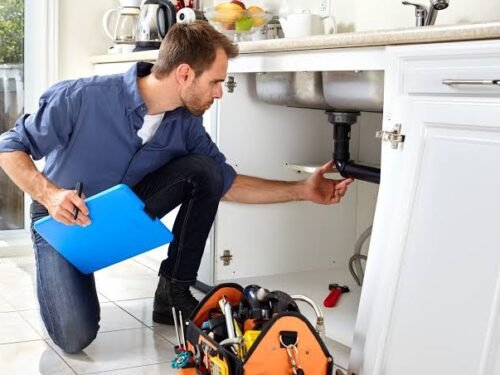
Most Plumbing Problems Aren’t as Scary as They Seem

Water dripping under a sink can feel like a crisis in the moment. But most common plumbing problems are genuinely fixable with basic tools and about twenty minutes, no plumber required.
I used to call a plumber for everything until a friend walked me through fixing a leaky tap myself. Cost me ₹150 in parts instead of a ₹600 service call. Not every job is that simple, but a surprising number are.
Quick Answer: What Are the Most Common Plumbing Problems and Their Fixes?
The most common plumbing problems — leaky taps, clogged drains, running toilets, and low water pressure — can usually be fixed at home by replacing a washer, using a plunger or drain snake, adjusting the toilet flapper, or cleaning aerators, all without professional help.
1. Leaky Taps
Almost always caused by a worn rubber washer inside the tap. Turn off the water supply, unscrew the tap handle, replace the washer (costs around ₹20-₹50), and reassemble.
Featured snippet answer: A leaky tap is usually fixed by turning off the water supply, opening the tap, and replacing the worn rubber washer inside — a job that takes about 15 minutes and costs under ₹50 in parts.
2. Clogged Drains
Start with a plunger before reaching for chemical drain cleaners, which can damage older pipes with repeated use. A drain snake works well for hair clogs in bathroom sinks and showers.
For kitchen drains, grease buildup is the usual culprit. A mix of hot water, baking soda, and vinegar (as covered in our natural cleaning guide) often clears mild clogs.
3. Running Toilets
That constant faint water sound? Usually a worn flapper valve inside the tank not sealing properly. Replacement flappers cost around ₹100-₹200 and take about 10 minutes to swap.
- Turn off the water supply valve
- Flush to empty the tank
- Remove the old flapper and note how it connects
- Attach the new one and turn water back on
4. Low Water Pressure
Often caused by mineral buildup in the tap or showerhead aerator, especially in areas with hard water. Unscrew the aerator, soak it in vinegar for an hour, scrub gently, and reattach.
5. Water Heater/Geyser Issues
Not heating properly is often a sign of sediment buildup or a faulty heating element. Basic descaling can be DIY, but electrical component issues should go to a professional — this is one area where the risk-reward tips toward hiring help.
6. Slow-Draining Bathtub or Shower
Almost always hair and soap scum buildup in the drain trap. A drain snake or even a straightened wire hanger can pull out surprising amounts of buildup.
When to Actually Call a Plumber
- Any leak from a pipe inside a wall
- Sewage backup or bad odors from multiple drains at once
- Low water pressure across the entire house, not just one fixture
- Water heater electrical issues
These situations usually indicate something bigger than a single fixture problem, and DIY attempts can sometimes make things worse.
Basic Plumbing Toolkit Worth Having
- Adjustable wrench
- Plunger (separate ones for sink and toilet, ideally)
- Drain snake
- Plumber’s tape (for sealing pipe threads)
- A bucket, always useful before opening anything
A Real Example
I once ignored a slow bathroom drain for months, assuming it wasn’t a big deal. Eventually pulled out what can only be described as an alarming amount of hair with a ₹150 drain snake. Should’ve done it three months earlier.
FAQs
Q: Can I fix a leaking pipe myself? Minor leaks at joints, yes, often with plumber’s tape or a pipe clamp. Leaks inside walls need a professional.
Q: Why does my toilet keep running? Usually a worn flapper valve not sealing the tank properly — a cheap and quick fix.
Q: What causes low water pressure in just one tap? Mineral buildup in the aerator is the most common cause and is easy to clean yourself.
Q: Is it safe to use chemical drain cleaners regularly? Not ideal for older pipes — frequent use can corrode pipes over time. Use mechanical methods (plunger, snake) as the first option.
Q: How much does a plumber typically charge for a home visit? Usually ₹300-₹600 as a base visit charge in most Indian cities, plus parts and additional labor.
Final Thoughts
A good chunk of common plumbing problems really are DIY-friendly once you know what’s actually causing them. Start with the cheap, simple fixes — a washer, a flapper, an aerator clean — before assuming you need professional help. Save the plumber calls for the problems that genuinely need one.
Suggested image alt text: “fixing leaky tap washer replacement”, “unclogging drain with plunger”, “replacing toilet flapper valve DIY”